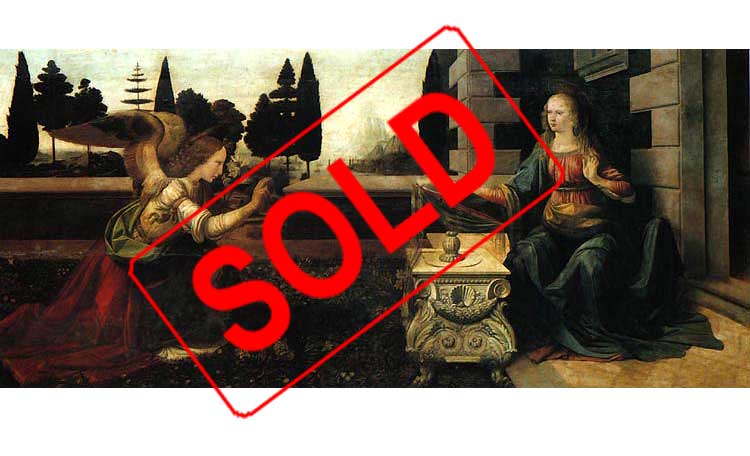
i just discovered the museums and the web conference website, a creative commons site containing all the latest developments in trying to market art to the masses through internet portals to museums. many museums have opened on-line portals, and some of them even exist in second life or their own on-line versions. once a museum has a virtual presence, it becomes possible for visitors to take the art home with them, in a way, by bookmarking virtual versions of a piece. in Bookmarking in Museums: Extending the museum experience beyond the visit? filippi-fantoni and bowen explore the failure of most museum web portals to captivate people by allowing them to bookmark and build personal blogs of the art they enjoy. the paper points out that while a number of prominent museums have created ways for users to pick and collect their favorite pieces online, less and less are doing so prompting the cancellation of the programs. the problems cited are poor design and the remoteness of media rooms in museums. it seems like for something like this to work, it would have to be more engaging, perhaps tangible (in-museum), social (like facebook) and annotative (like a blog). in the end, there could even be a market-based system (like openstudio) that allows people to invest in the popularity of pieces, trade and defend their purchases.
artmarks
Posted in blogogracy, customization, exhibit design, marketing, visualization
Comments closed
common comments
3rd able access afford africa agree already america american bad being better books buy can’t catamount1412 cheap child children community computer cool cost countries darwinx86 developing doesn’t dollars dont eat education ever feed food fuck getting giving going gonna hope idea idiot im information instead internet kids laptop learn life linux lol looks lot man maybe million minimum money needs nice oh order people per poor porn power pretty probably program project really school seen sell send shelter shit something starving stupid sure teach technology thats themselves they’re things think third though used water work world wow yeah year yes
created at TagCrowd.com
after the unexpected success from posting matt’s presentation of the hundred-dollar laptop at siggraph last week (250,000 views and 2,500 comments in 5 days) we started to wonder about the quality of all this press – especially the hot/cold nature of youtube comments. i’m an avid flickr and youtube user, because i make a lot of photos and videos, but it’s amazing how different the two experiences are. my flickr contacts are often friends and acquaintances; the comments are always kind or inquisitive, and i have about 40,000 views of my 17,000 photos. my youtube subscribers are all strangers; the comments are always extremely positive or extremely negative, and there are about 850,000 views of my 30 or so videos. above is a tag cloud of the 100 most repeated words from the youtube comments on the laptop video, which is by far the most popular i’ve put up in such a short span. as you can see, most of the terms are not negative, although several swears made it into the top 100 words (courtesy of tagcrowd.com).
Posted in blogogracy, marketing, visualization
Comments closed
how things are taken apart
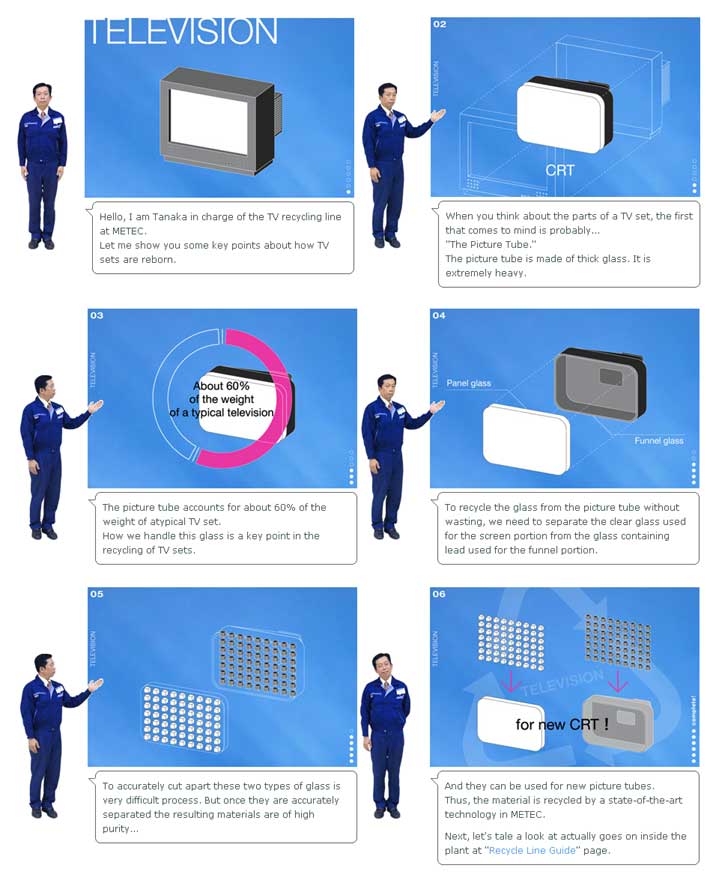
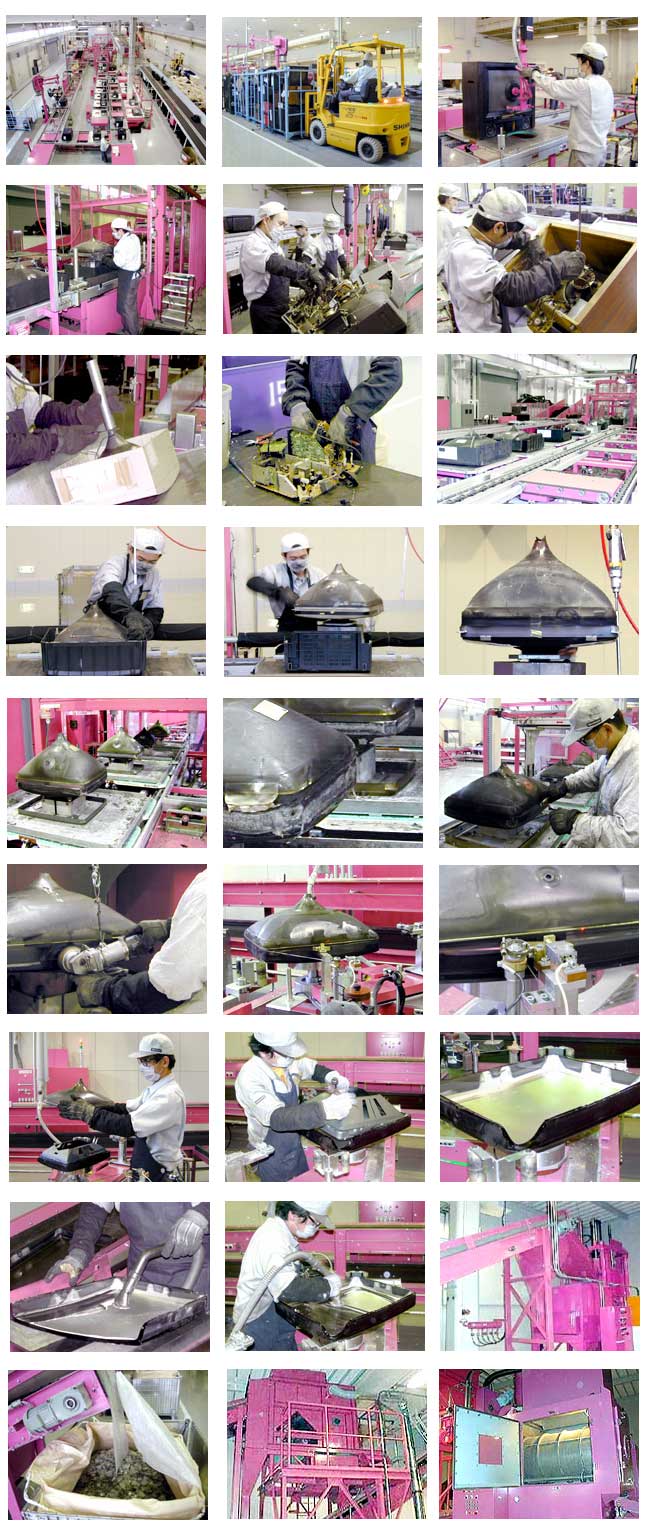
panasonic has a highly evolved electronics recycling program, in part because of japan’s mandate that half of materials be re-used or recycled by manufacturers. their metec site shows the extend to which televisions, air conditioners, refrigerators and washing machines can be broken down to their component materials for re-manufacturing. aside from the advantage of such transparency and far-sighted practices, it’s nice to know that they are also designing products for easier disassembly.
Posted in fabrication, futurecraft, marketing, materials, open objects, product design
Comments closed
virtual policy
my favorite video at this year’s siggraph animation festival (the compendium of the special effect industry’s efforts over the last year) only one piece struck me as pure art: U2 and green day’s music video “the saints are coming,” featuring an alternate reality where the US troops in iraq were redeployed to new orleans to offer humanitarian assistance after hurricane katrina. it’s a great idea, well done, the only flaw is that it took so many special effects for this vision to be true…
Posted in blogogracy, conviviality, visualization
Comments closed
XOXOXOXO
connor, matt and i are all here at siggraph on behalf of the medialab, the olpc and the creative synthesis collaborative.
Posted in conviviality, open objects, product design
Comments closed
virtual world
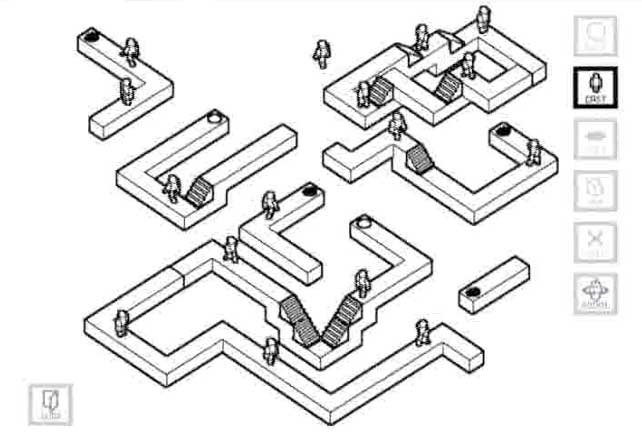
why are virtual worlds so similar to our own? i spotted jun fujiki‘s OLE coordinate system here at siggraph: it’s an application that allows you to design and inhabit physically impossible spaces. aside from being beutifully designed, it makes a good point – you can make worlds in the computer that are far more interesting than in real life, and more closely resemble the meshed infrastructure of words and ideas already on-line.

Posted in 3d, architecture, perception, visualization
Comments closed
sunny screens
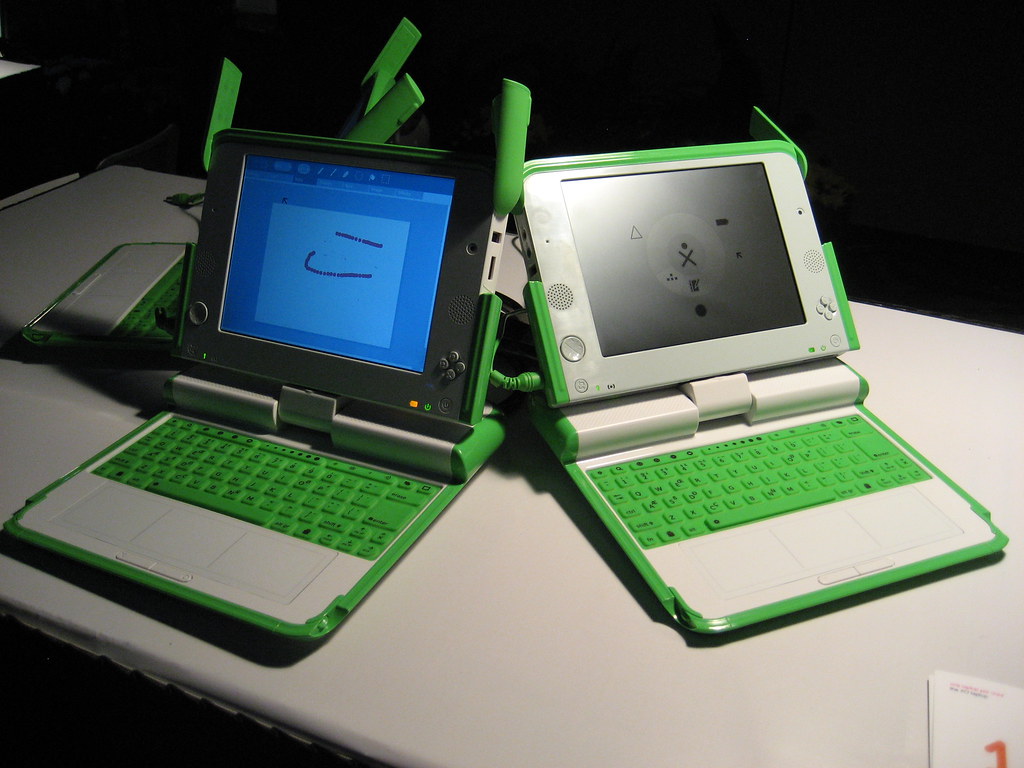
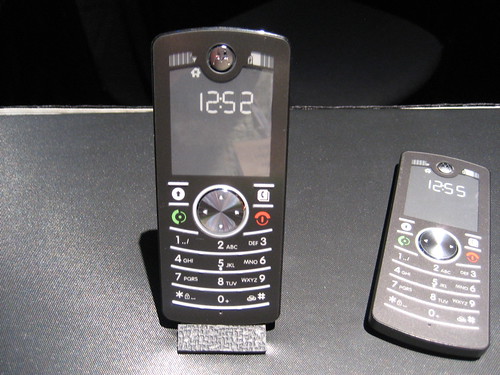
with the recent introduction of consumer electronics targeted to the developing world, a considerable amount of innovation has gone into making low-cost displays that work in sunlight and consume less energy. i spotted these two prototypes at SIGGRAPH today: the dual-mode reflective/emissive LCD in OLPC’s XO hundred-dollar laptop (above) and electronic ink in motorola’s F3 cell phone (below). these are not just great for the developing world: screens that reflect ambient light mean we can work in brighter offices and homes, alongside printed matter and while consuming less energy. maybe one day the light absorbed by our devices will be enough to power them, too.
Posted in energy, futurecraft, product design
Comments closed
teaching tools

i have one new rule for design: things that teach are better than things that don’t. this jigger has a rotating handle that reveals directions for mixing common drinks
Posted in conviviality, fabrication, open objects
Comments closed