
admiring consumption

containers1.jpg

containers2.jpg

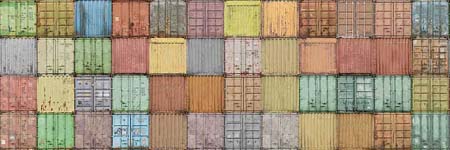
chris jordan’s photomontages illustrate american consumerism through statistically generated massive tiled images of the products and processes that feed us. what if they could be automatically generated in real-time from product images already widely circulated?

Posted in visualization | Comments closed

sexy decoy

sexydecoy.jpg

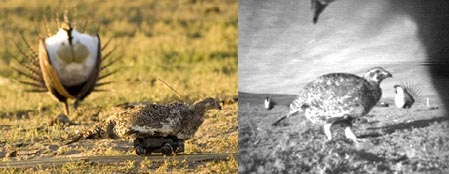
researcher gail patricelli is using a camera-laden decoy female sage grouse to document and understand mating from the female’s point of view. the same idea has been tried with lady coy, in which a decoy woman attracts and documents street harassment. the decoy makes an interesting experimental platform: without the bias of being an observer, you can take a peek at what it’s like to be on the receiving end of things.

via engadget

Posted in visualization | Comments closed

walking tempo

personalsoundtrack.jpg

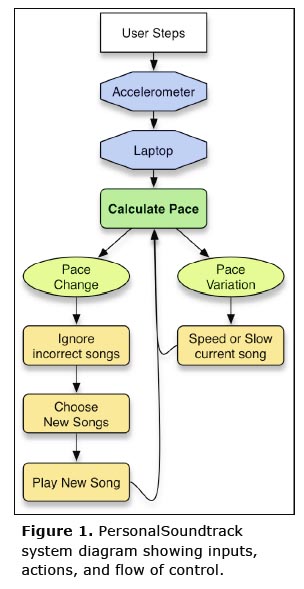
ever since i’m gonna get you sucka i’ve wanted to be followed around by my own soundtrack. last april at CHI ’06 i saw made personal soundtrack by greg elliott and bill tomlinson:an mp3 player that accompanies your life by selecting music beats to match your footsteps. you can also pick music that motivates you to run faster, or calms you down if you’re tense. seems like the next ipod+nike collaboration.

Posted in perception | Comments closed

way-finding shoes

cabboots.jpg

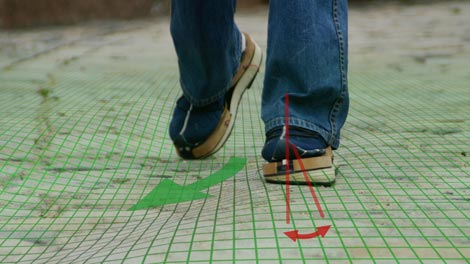
frey martin’s cabboots are a ‘tactile’ guidance system that keeps you on the right path by twisting your ankle like when you walk on a worn path in the ground. it could be very useful for guiding the blind, because we probably aren’t so responsive to the texture under our feet anymore.

Posted in perception | Comments closed

eat my words

pringlesprints2.jpg

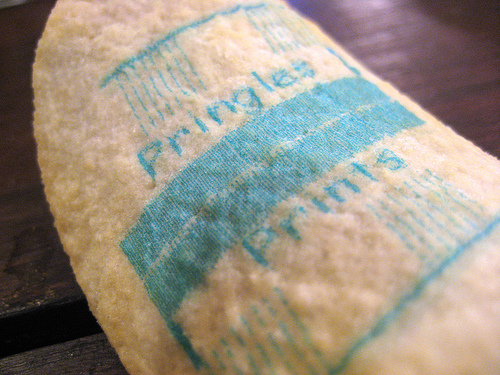
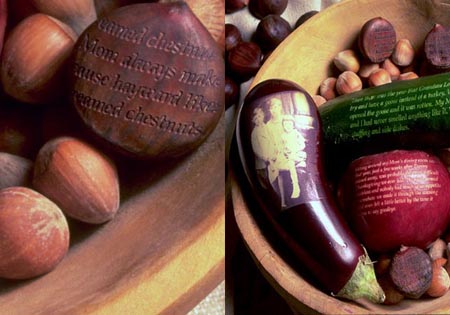
i guess it’s finally here: pringles prints are one of the first products to take advantage of edible ink to print custom messages on mass-produced food. this idea has its roots with david small‘s research at the medialab’s counterintelligence group in the late 90s. instead of bad jokes, he printed nutritional information and poetry on food with a laser-cutter. now that anything can be printed with any information, what should be printed? it would have to be useful, worth the extra energy… maybe it could replace packaging and stickers altogether?

foodforthought.jpg

Posted in possessed products, visualization | Comments closed

pocket spy

pocketspy.GIF

in george orwell’s 1984 hidden microphones embodied big brother’s constant surveillance:

’Yes. Look at the trees.’ They were small ashes, which at some time had been cut down and had sprouted up again into a forest of poles, none of them thicker than one’s wrist. ’There’s nothing big enough to hide a mike in. Besides, I’ve been here before.’

who knew that today we would all carry miniature microphones in our pockets and radios capable of transmitting sound? i guess the news that the FBI can remotely control cellphones and transform them into ‘roving bugs’ to listen in on anyone’s personal conversation is no surprise. what’s worse, the phones can be listened to even when they’re off – the only solution is to take out the battery.

Posted in surveillance | Comments closed

touch museum

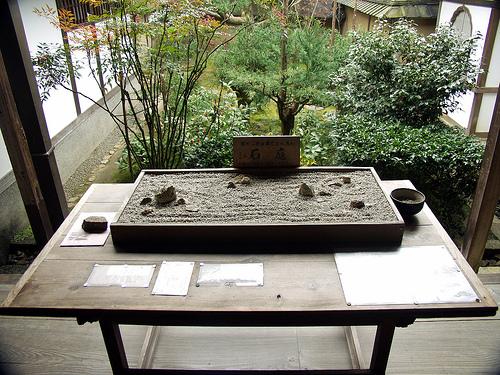
ryoanji rock garden by leonardo bonanni

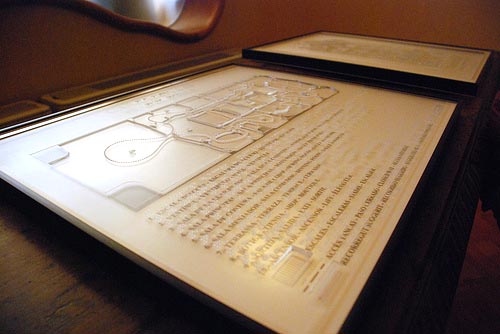
casa battlo by leonardo bonanni

casa battlo by leonardo bonanni

twice now i have come across touch-based maps for people visiting famous sites to be able to appreciate architectural elements without the use of sight. the miniature of ryoanji temple’s rock garden allows visitors to appreciate the unique and harmonious layout of stones (which is designed so that all are never visible from any one vantage point). the two relief drawings of gaudi’s casa batllo overlay a print with a ridged clear plastic sheet. the best part about adding tactile information to a visual and spatial marvel is that it is useful whether or not you have sight, in part because touch is an under-utilized sense.

Posted in perception, product design | Comments closed

wearable garden

wearablegarden.jpg

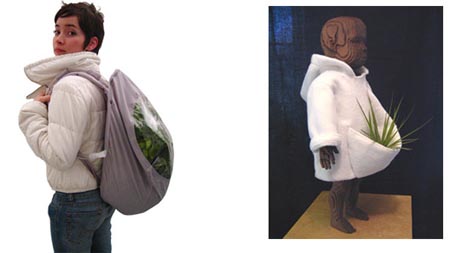
while recent projects and products encourage agriculture in the home, cranbrook design student jon paananen proposes plants on the body: oxy sak is a proposed breathing apparatus for urban pedestrians (left) while digital boy growth tools (right) encourage children to grow up not only appreciating nature but wearing it. makes me wonder if clothing itself could be ‘grown’ from living plants in the way that the alhambra’s shrubs constitute architecture.

Posted in livingbreathing | Comments closed