upcycled architecture

woboffice.jpg

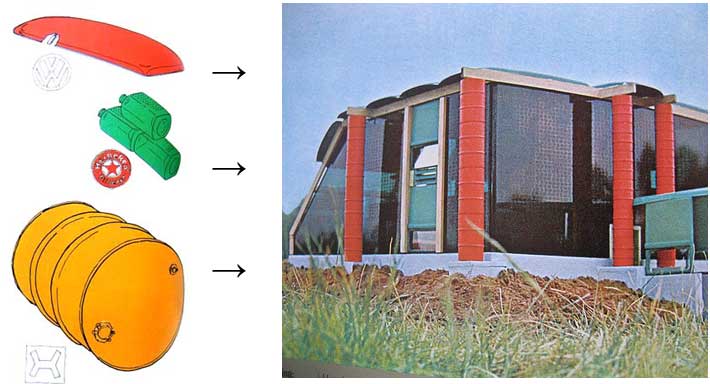
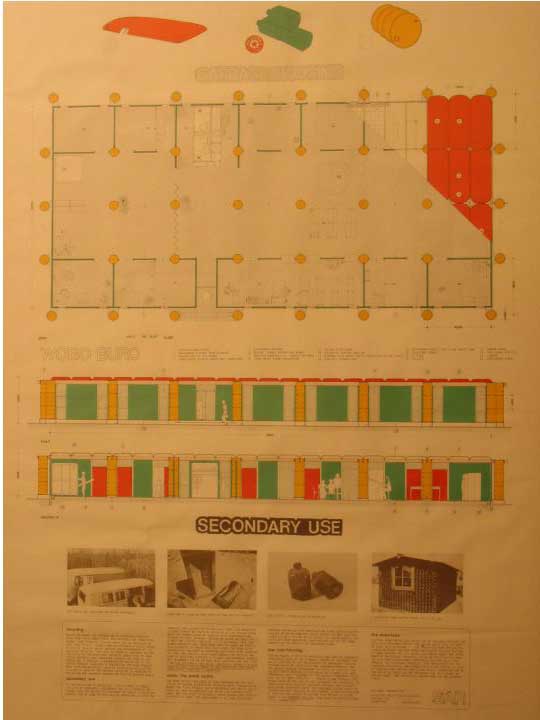
when i wrote about the WOBO, the bottle’s designer john habraken wrote me to tell of another up-cycling project he did in the seventies, this time using discarded industrial materials like oil drums and car parts to build buildings (see his image above). i drummed up some images of the proposed designs:

wobofficemodel.jpg

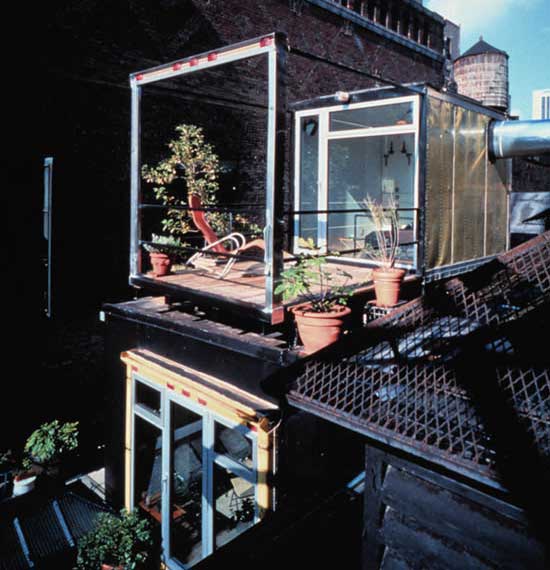
which reminds me of a few more recent proposals: the pioneers of container re-use, lot-ek‘s original container penthouse:

containerpenthouse.jpg

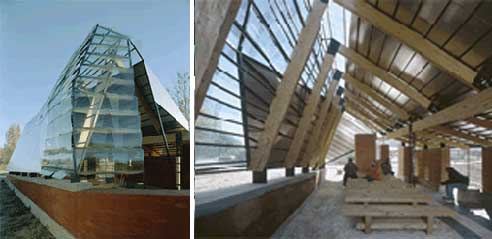
and rural studio‘s glass chapel made in part from re-used windhields:

glasschapel.jpg

Posted in architecture, fabrication, materials, open objects, upcycling | Comments closed

perv tracker

tracking2-copy.jpg

ever since jessica’s law (the lunsford act) states are required to track sex offenders once they’re released from prison. pro-tech makes the tracking device that is used in florida, shown above. the unit consists of an ankle bracelet with tamper sensing (patent 5,959,533 ” Tamper detection for body worn transmitter “) and a GPS tracking unit (patent 5,731,757 “Portable tracking apparatus for continuous position determination of criminal offenders and victims”) which has to be carried or worn near the ankle bracelet at all times. the system works mainly through GPS, but also contains accelerometers to determine position in case of lost signal from satellites. in addition both versions have a text display used to communicate with the agency and to issue warnings when the offender approaches a forbidden zone.

Posted in possessed products, surveillance | Comments closed

sew local

100milesuit.JPG

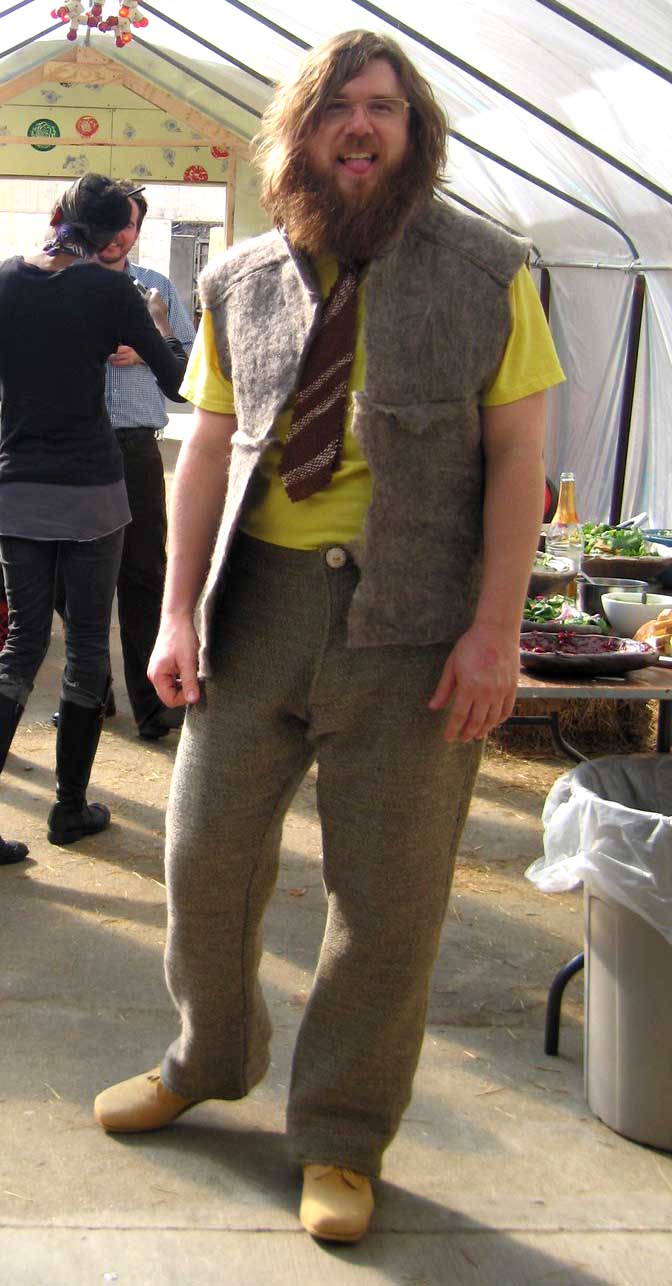
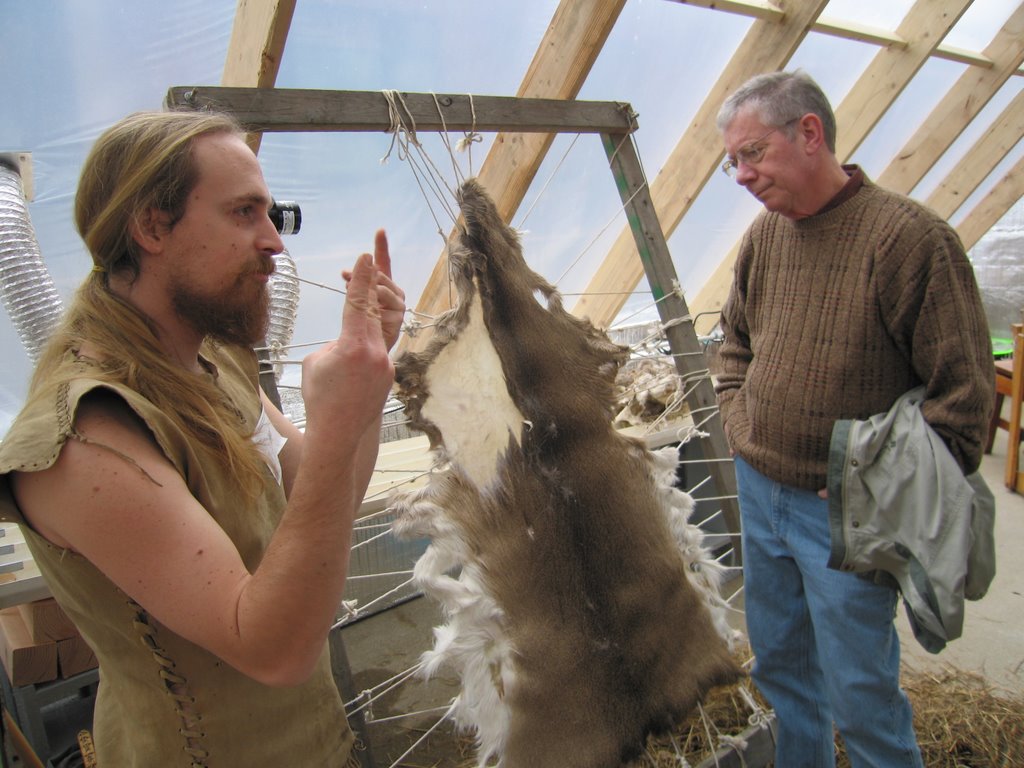
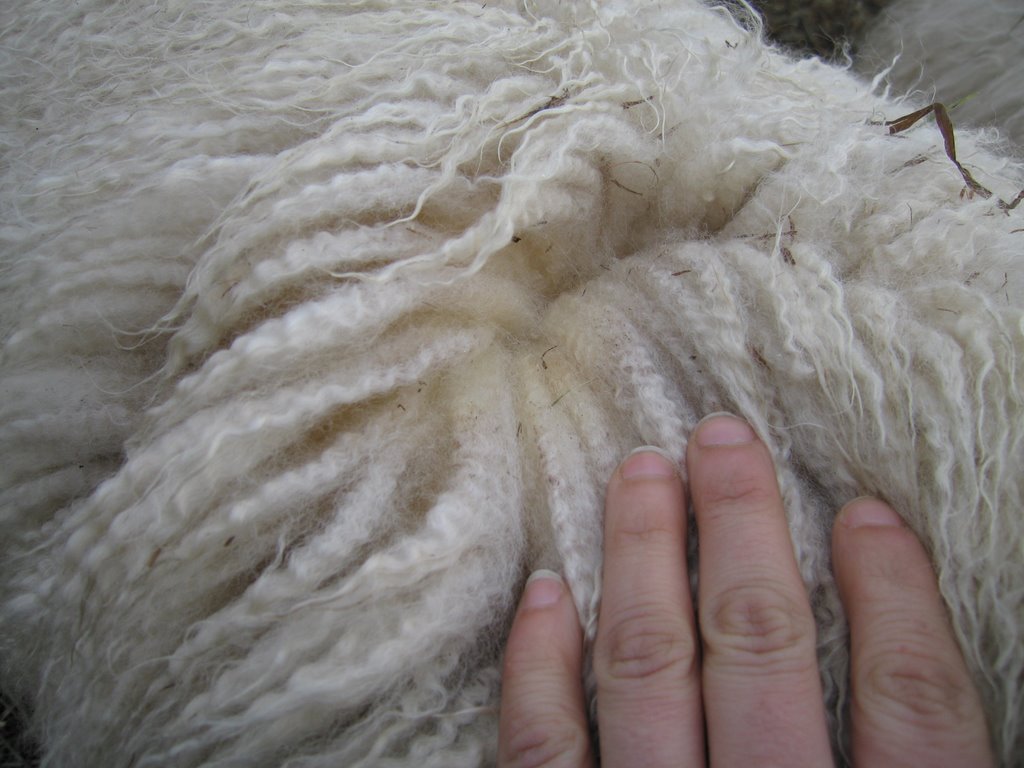
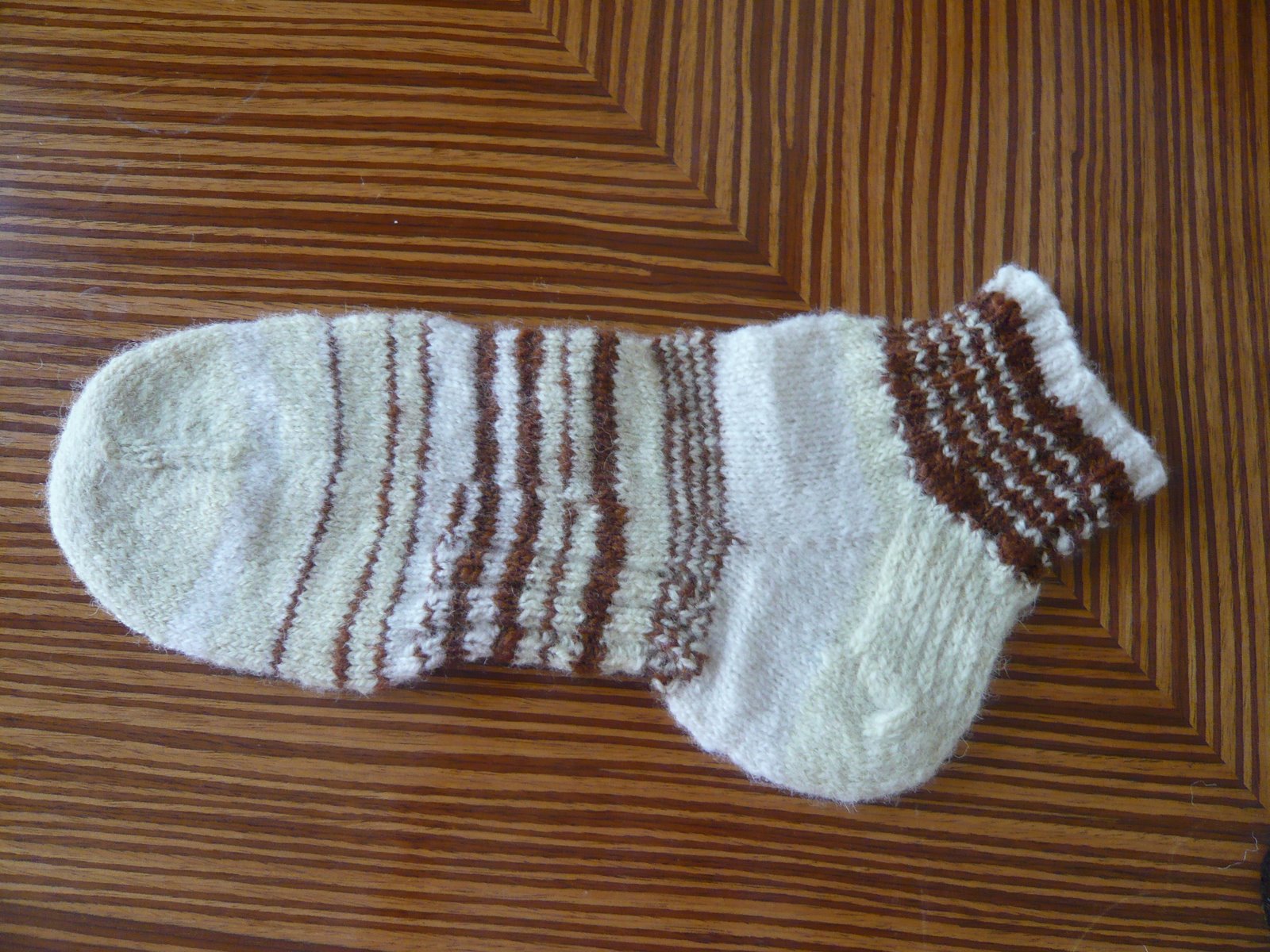
the 100-mile suit is an attempt to build some of our simplest products – clothes – with only local resources. it was a 92% successful undertaking, with only the thread and soles of the shoes imported from elsewhere. it’s an impressively difficult task, if you think about it, and what is the point? well, the buylocal movement tells us that the current paradigm of internationally shipping low-cost products is unsustainable – that the real hidden costs borne by others would make it unprofitable if accounted for. but there’s something else, something intangible about being familiar with the designers, the manufacturers, even the animals from which our clothes are made. it implies familiarity and trust in both directions: the customer takes greater responsibility for responsibly buying, and the producers in exchange use the highest quality means and remain accountable for their product. my question is, if it’s almost impossible to make a suit within a hundred-mile radius, what is there that can be made locally, and how will things like consumer electronics ever be made sustainably?

100mileleather.jpg 100milesheep.jpg 100mileshows.JPG 100milesock.JPG 100miletie.JPG

Posted in conviviality, fabrication, possessed products, product design, soft/glowing | Comments closed

apartment hunting

voyeur-copy.jpg

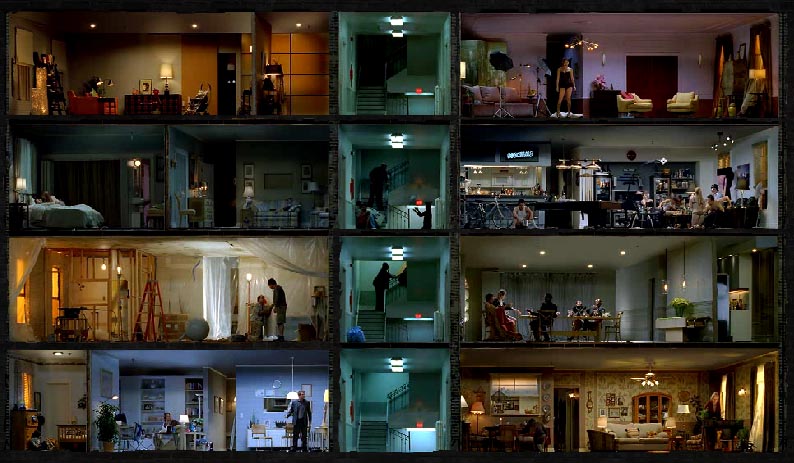
hbo’s voyeur is an on-line interactive that lets you spy on an apartment building, unit by unit, as strange things seem to happen involving the residents. it’s beautifully filmed, short and intriguing – probably because it seamlessly combines entertainment with the thrill of on-line research. as you try to piece together the events in a single apartment and how they interconnect with other units you have a similar feeling as when you track down data on the web, something that feels adventurous even though it’s all there for anyyone to see.

via

Posted in architecture, surveillance, visualization | Comments closed

useful packaging

cello54a.jpg

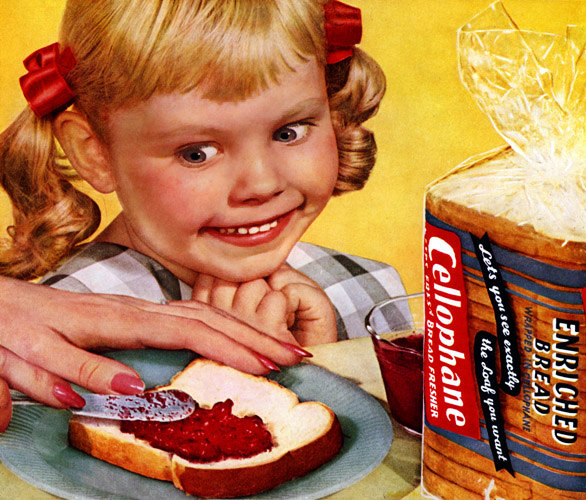
reading stephen fenichell’s plastic about polymer history i was amazed by the story of cellophane. initially useless, it took some clever marketing to find a market for the transparent film. first, camel used it to wrap packs of cigarettes and ‘lock in flavor’ to regain market from lucky strike. then, cellophane became used for wrapping all sorts of products, in part because of a marketing campaign that stressed (invented) the dirtiness of un-wrapped goods. to quote from one campaign:

…strange hands – inquisitive hands – dirty hands – touching, feeling, examining the things you buy in stores. your sure protection against hands-across-the-counter is touh, clear, germ-proof Cellophane…

in fact, wrapping foodstuff in cellophane had distinct advantages for sellers: food could be kept edible longer and people could be forced to buy larger quantities of food by offering it pre-packaged in bulk. under the guise of ‘hygiene’ people ended up eating larger quantities of less healthy food!

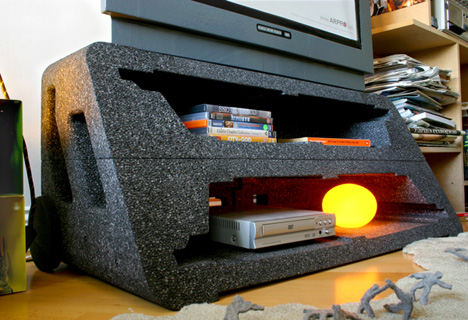
but packaging must be useful for something…like sterile medical supplies and protection for delicate goods. so while we can reduce or altogether eliminate the packaging on most food, we cannot yet ship a television across the world without a shock-absorbing box. which is why i appreciate this design, by tom ballhatchet, for a styrofoam box insert that transforms into a TV stand:
styrofoamtvbox.jpg

Posted in marketing, possessed products, upcycling | Comments closed

whose footprint?

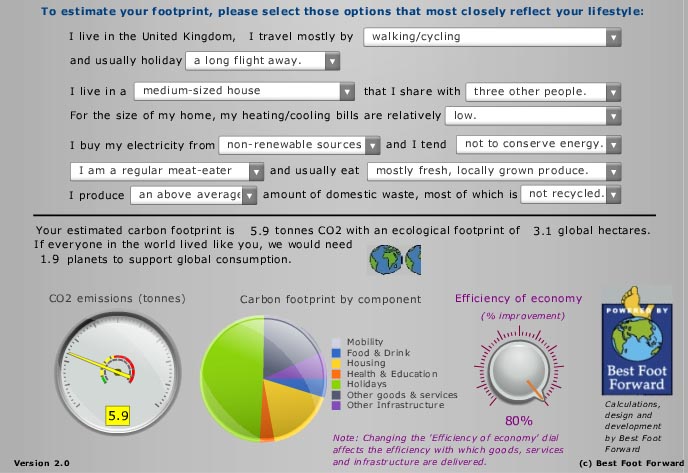
produced by the packaging industry, this commercial helped usher in the modern environmental movement in the US. This anti-littering campaign, combined with ‘recycling’, convinced consumers to buy packaged products in bulk and carefully clean and return them for downcycling. today, the concept of ‘ecological footprint’ is used to urge people to use less energy for meager improvements in actual energy efficiency. here is a typical calculator:

footprintcalculator.jpg

not many of the categories are up to me: many US cities are settled into sprawling suburban communities of single-family homes where driving is indispensable, houses tend to be large and difficult to rent, heating and cooling bills are up to the builder, power utilities are monopolized; and tons of cheap meat are widely available while fresh local produce is hard to find. what kills my footprint is the flying. something is wrong here: our only real choices are dictated by what’s available in the marketplace, as is our ecological footprint (and littering). it’s not so much our footprint we need to worry about, but theirs.

Posted in marketing, possessed products | Comments closed

foot fab fetish

for the past few hours i’ve been modeling a shoe and trying to get to the heart of what makes it so fascinating – this timeless object – and i decided it’s the opacity. not because it’s hard to use (although it takes practice) but because a shoe appears to be a homogenous, solid mass, or at least that’s how well it endures wear, but in reality it is the product of intense craft, much of which still cannot be done by machine. so i came upon these wonderful videos that unravel the process of shoe-making and idolize it in the process as part of these companies’ marketing. in the first, nike heralds the italian craft behind its air force 1 shoe in an unbelievably filmed video worth watching in its entirety. here, you feel just how impossible it must be to make a leather shoe, or even a sneaker, because it seems tied as much to birthright as to years of training. if only all of their manufacturing were so transparent (and unionized)! but it’s not all so:

this second video reveals how ballet shoes are made, in fast-forward, until it gets interesting when you see how a ballerina savagely modifies her shoe to make it work. this type of self-customization is a refreshing reminder that you can do something yourself, although in this case she does seem practiced. which is why i love this next video, which is also a marketing attempt, but on the opposite side of the spectrum from the first. patagonia’s do-it-yourself moccasin, made from factory scraps and assembled by the buyer, is put together in a grassy field by some hippy. cool.

so there you have it: making craft transparent can be great marketing; letting experts customize products actually improves their design; but leveling the entire relationship between shoe-maker and shoe-wearer yields the most sustainable solution of all.

Posted in fabrication, marketing, open objects | Comments closed

gratuitous kittens

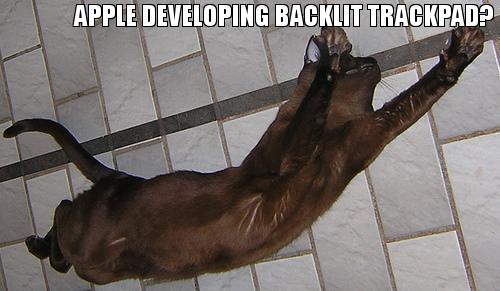
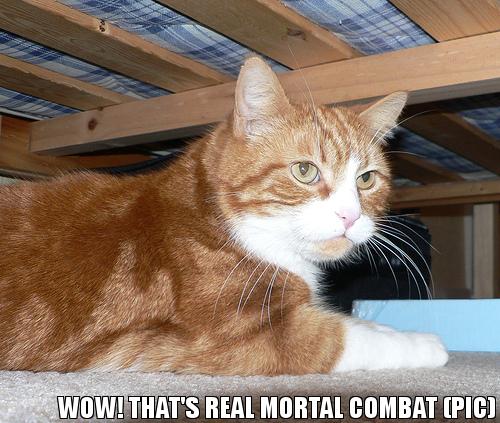
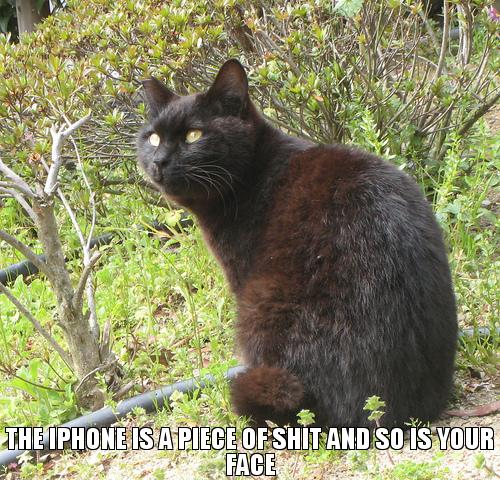
loldigg1.jpgloldigg2.jpgloldigg4.jpgloldigg5.jpgloldigg6.jpgloldigg7.jpgloldigg8.jpgloldigg9.jpg

ever since chris c showed me lolcats (now icanhascheezburger) i have been fascinated with the syntax and hilarity, especially during boring meetings. now true genius: lol:digg, a machup of flickr kitten pictures and digg article headlines. along with news arcade games i’m starting to think that information is going to have to piggyback on entertainment in order for anyone to pay attention to it.
via jamie zigelbaum

Posted in marketing, visualization | Comments closed