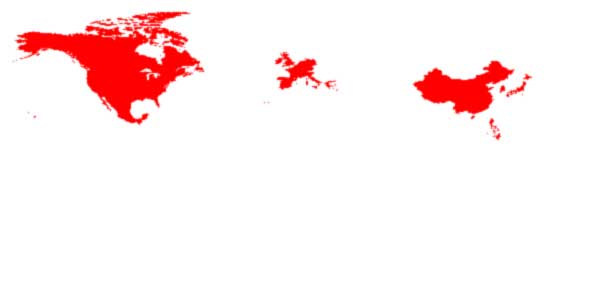
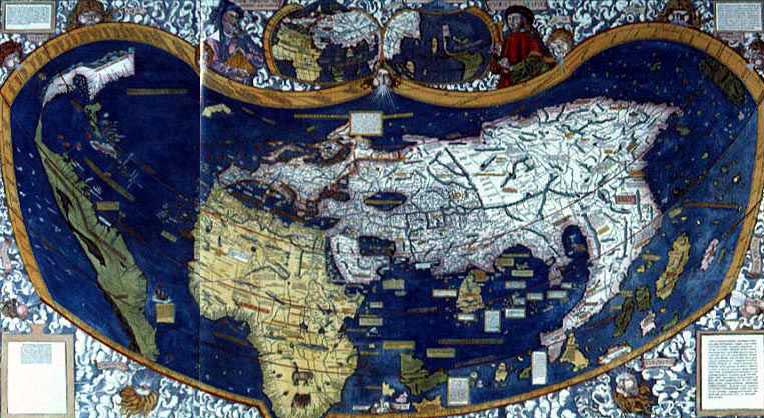
the personal map highlights the countries you’ve been to in red. i subtracted everything but the red places and found myself facing these three continents (above). it reminds me of the first map showing the ‘new world,’ this ptolemaic projection from 1511 (below). socratic definition of wisdom: the only thing i know, is that i know nothing. how useful would it be to have a map of what we don’t know and where we haven’t been?
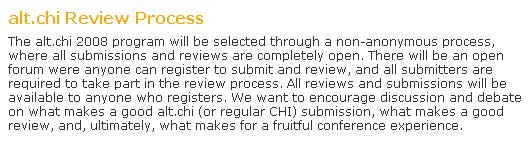
at the staid but prestigious CHI conference engineers psychologists and human factors specialists get to discuss the future of computer human interface through peer-reviewed pseudo-academic papers and panels. but a lot of contributions to the field are somewhat hard to place, and for this reason, since 2005 they have included an ‘alternative’ conference within the conference: alt.chi. this is where i was fortunate enough to publish the dishmaker, and this year amanda parkes and i submitted a paper outlining the syllabus for this past fall course futurecraft. for a while people have suggested that alt.chi was better than CHI, and this year they’ve really gone out on a limb by making the conference-within-a-conference totally different by forgoing the peer-reviewed system and instead adopting an open, public forum where papers can be evaluated by anyone who logs on. will authors (who are required to review three of their colleagues’ papers as a condition for submitting one) be kinder or harsher or fairer? will popularity have an impact? this year’s alt.chi is not just a conference, it’s a research project on its own – one which may point the way toward open, democratic conferences where publication can be evaluated openly and independent of name or affilitation. why not give it a shot – but be nice…
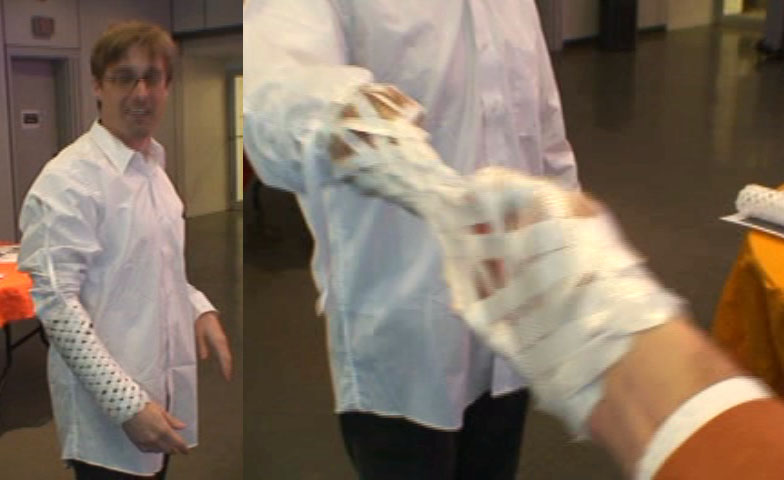
tsitsi gora and ryan murphy made this ‘political prosthetic’ in futurecraft – a giant chinese finger trap made to transform handshakes into a touching experience. the elegant extension of shirtsleeves into this grasping cuff helps to make the perfunctory gesture mean something, for real.
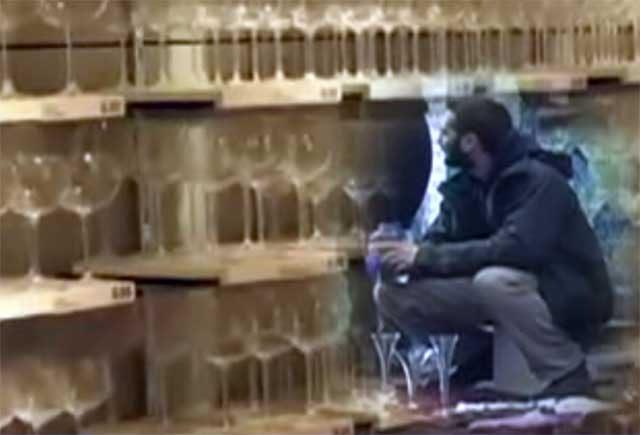
alex rosenberg makes blown glass objects the old-fashioned way, and he made a video comparing his slow, hand-crafted process to industrial mass-production. whereas his objects are hand-crafted and locally made, retailers sell cheap, machine-made glassware at a fraction of the cost of real blown glass. the machines are faster, but not necessarily better. blow-molding leaves lines where the mold comes apart; the glasses are regular and without any striations or bubbles. they also cost about one-tenth as much as hand-made glasses. when he tried to sell painstakingly hand-crafted glassware outside of a boston-area crate and barrel, not only did no one buy his superior pieces, but nobody called the police either. apparently american consumers do not prize handcrafted, locally-made products above chinese crap. would the same be true in other countries?
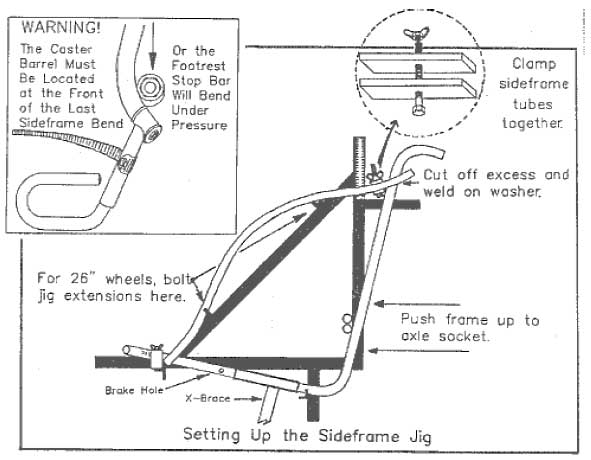
the whirlwind project is designing and freely licensing an open-source wheelchair design that was designed by and can be manufactured locally by individuals in wheelchairs. the chair has significant advantages over traditional models, most notably because it can be used to go up and down stairs, can handle rough terrain and allows a parent to safely carry their child. inventor ralph hotchkiss has made detailed instructions available in a free pdf on how to build the chair – as well as how to start a small business and furnish a shop to turn them out. the diagrams are refreshingly simple (below) and the video is worth watching for this chair’s remarkable maneuverability.
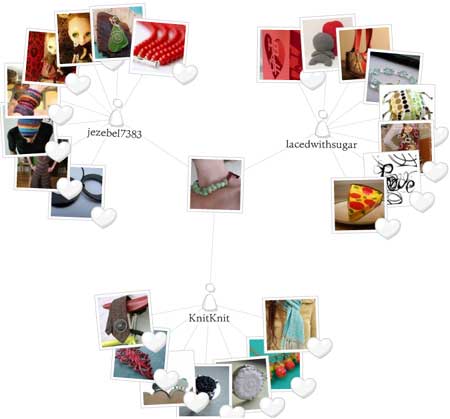
etsy is a revolutionary on-line store where individual makers can sell their goods. unlike existing shopping portals etsy relies on novel means of promoting individual sellers and motivating a social network. for example, there is a ‘buy local’ button that shows you only designers within your neighborhood, a ‘time machine’ that reveals what is being bought in real time and a ‘connections’ function that uses dynamic visualizations to help you browse through associated products with serendipity (above). hopefully these kinds of options will be adopted by the big boys soon.
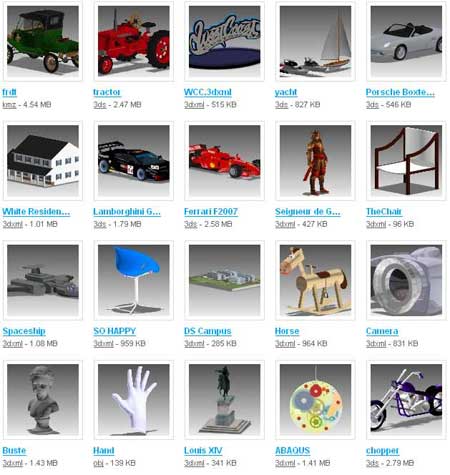
we have flickr for sharing pictures and youtube for sharing videos, but how can we share three-dimensional work on-line? aerospace pioneer dassault has released a beta website that combines a free 3D modeling software with a social platform to upload and download free 3d models and a browser plug-in that allows you to browse the three-dimensional models and environments inside the 3dvia website. the models are a great resource for designers and architects because they include detailed versions of plants, bodies, vehicles and even household objects like furniture and electronics (above). but the system allows for a lot more: companies are making available models of their products as a kind of advertising, and creating three-dimensional environments to play with them like toyota’s driving game (below). the website is underused and commercial-heavy, but it could be the missing link for for open-source design where multiple specialists can share a common platform to add the necessary pieces to emergent products. if only the service became open and free it could begin to support collaborative 3-d modeling and rich information structures that could inform and engage producers more directly with consumers and designers.
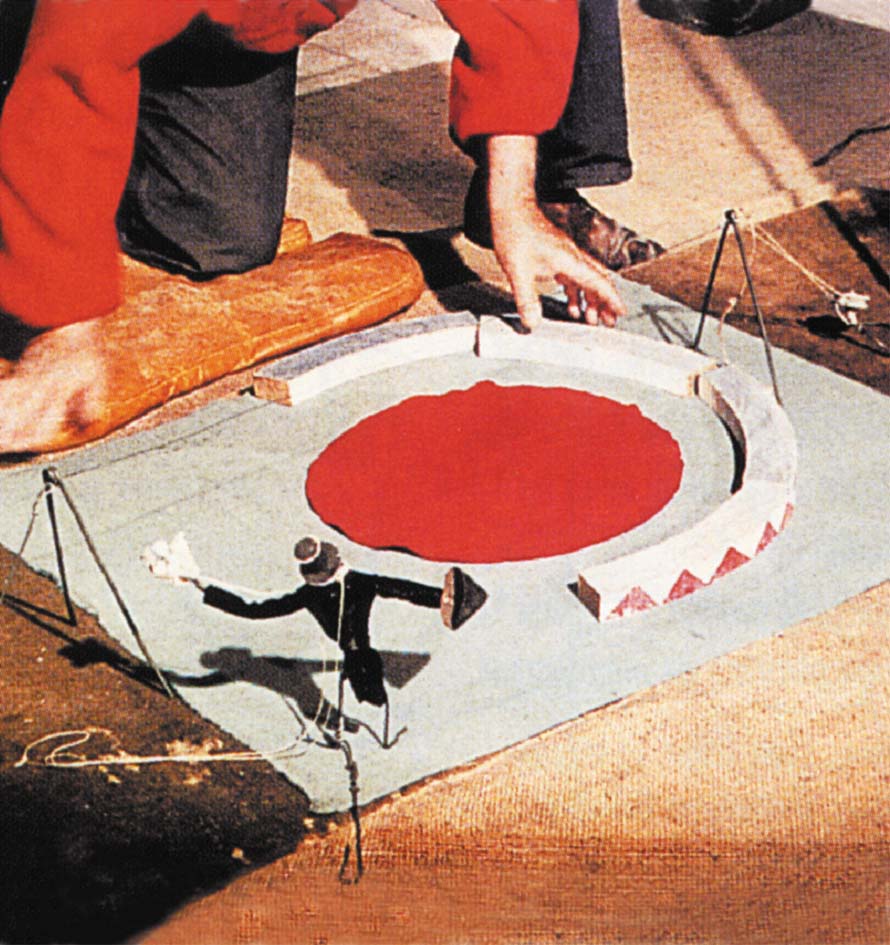
whereas alexander calder‘s stoic mobiles and stabiles are fit for office lobbies and college campuses, his toys are where the sculptor expressed his whimsy and his magic. today on the top floor of the whitney museum you can find calder’s circus, a groups of tiny wire figurines the artist carried with him in suitcases from his 20s to his death, performing silly little one-room shows by pantomiming with the little figurines while his wife changed records. he invests each character with a voice, gesture and a stage set and costume, making the predictable act of playing with one’s old toys fascinating to watch. best of all, carlos vilardebo’s classic film of calder’s circus is available for free at DVD quality on the ubuweb site (download 228MB avi file here). some parts of the act have also been posted on youtube: