virtual fit

my-virtual-model-mash-550×539.jpg

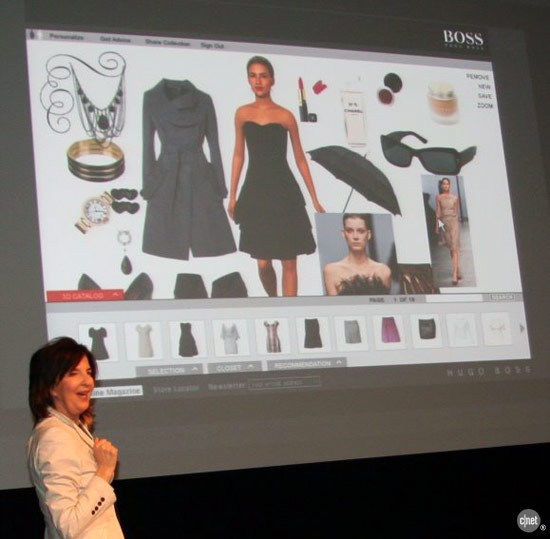
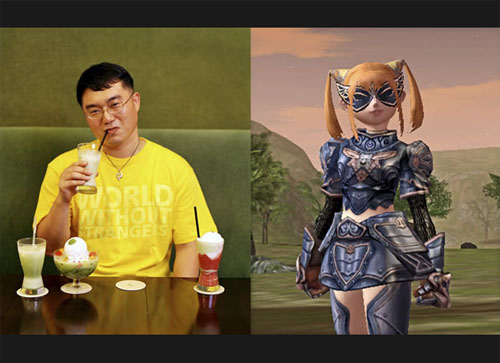
louise guay, president and founder of my virtual model, presented her company’s avatar-based fashion shopping and social networking system tuesday at the moda+tecnologia gathering at the ICA. on-line shopping for clothes is notoriously unsatisfying, especially if you care about fit and detail. americans only buy 8% of their clothes on-line, as compared to 41% of computers or 21% of books [nyt]. but the clothing market is so large that this represents a larger dollar amount and it is growing faster than the other sectors. high-bandwidth internet and the web2.0 are making it possible to enhance the web shopping experience with higher-resolution images, video, three-dimensional models and now even virtual worlds and social networks. the latter function around a virtual model or avatar of yourself, configured at mvm.com, but free to travel with you to a number of fashion websites and soon maybe social networks and virtual worlds like second life. you can customize your virtual self, add your real face, and soon even see how clothes fit in 3-D. Instead of worrying about fit and quality, this kind of shopping prioritizes public appearance – virtual and physical – and social shopping, where you are led in new style directions by a community of people like you around the world. the idea of keeping an on-line persona and a trace of shopping and consumption habits could have a radical impact on the way products are manufactured, since they don’t need to exist until you decide to buy them. they may also be much easier to trade and re-use for a longer lifespan. but this will take a transformation in the way people use the web – and virtual avatars – who are just as likely to represent themselves as their exact opposites [see avatars and their creators].
avatar.jpg

Posted in blogogracy, conviviality, customization, fashion, futurecraft, marketing, open objects, product design, retail, soft/glowing | Comments closed

all-in-one simple

functionalipodhh.jpg

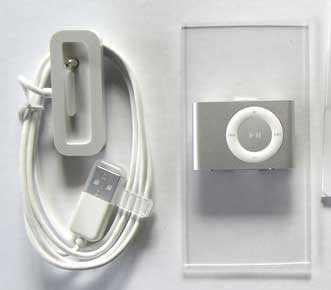
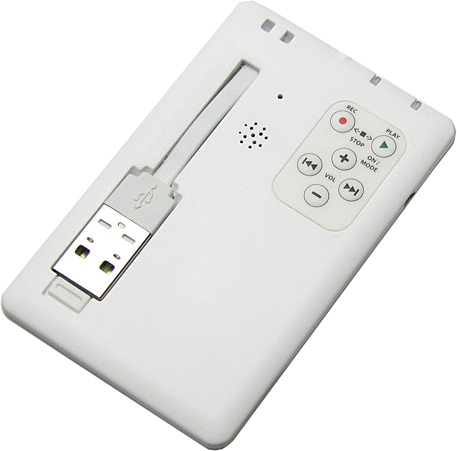
i really like this new mp3 player design by no-nonsense electronics manufacturer evergreen – small and thin, it includes everything you need to charge and upload in a simple, visible package. when other ‘simple’ designs actually contain all sorts of crap just so you can charge them…

ipodshuffle.jpg

via

Posted in open objects, product design | Comments closed

interknit

netnanny1.jpg

netGranny is a revolutionary service where consumers directly commission grandmothers in switzerland to custom-knit socks for them. it has the spirit of transparency of programs like dole’s organic labels, with the mass customization you would expect from local experts, all the while supporting elderly people to make an independent income. this is something i’d like to see expanded to other crafts and countries where it could make an even bigger difference.

netnanny2.jpg

Posted in conviviality, customization, fabrication, futurecraft, marketing, open objects, product design, soft/glowing | Comments closed

touching robots

i feel honored to break this story: hayes raffle founder of zoob and inventor (along with my colleague amanda parkes) of topobo finally released his work on youtube – and it’s worth watching every movie. not just because i’m lucky enough to work with him, or because he’ll be a free agent in a few months – but because he is a genius inventor/designer and his toys are not just toys, but point towards the future of sculpture and computing.

Posted in 3d, animation, open objects, product design | Comments closed

photovoltaic payback

insolationmap1.jpg

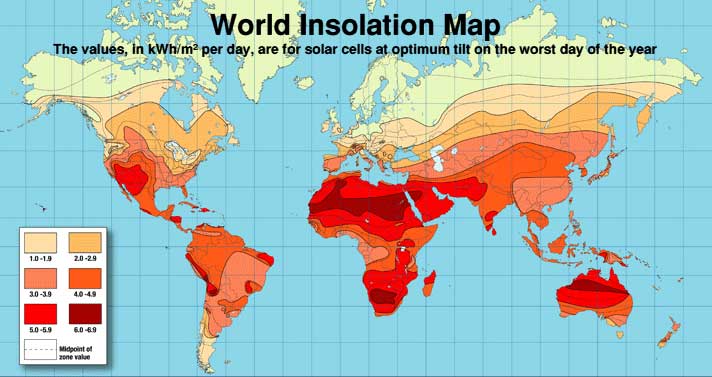
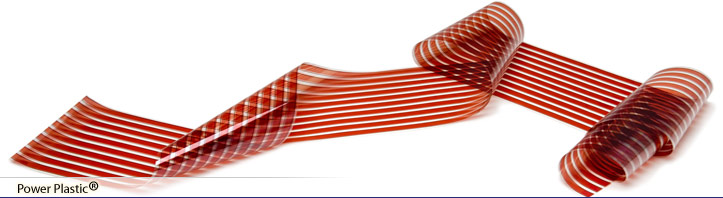
with solar panels (once again) the craze, a lot of discussion goes into whether they are truly efficient and whether they do the environment any good. most solar cells require a lot of energy and materials to manufacture, and many do not produce much energy over the course of their lives. under optimal conditions (in sunny places), polycrystalline silicon panels require 4 years and amorphous silicon panels 3 years to generate as much energy as was required to manufacture them, so they can be expected to generate five times as much energy as went into making them over the course of a 20-year life. BUT under sub-optimal conditions they fare significantly worse: in less-than-direct light or cloudy climates the cells can produce very little energy, significantly extending their payback times. this is especially true when they are installed in places where an electricity infrastructure already exists. a solar-powered backpack might never pay for itself if it spends most of its time indoors, for example. until now: konarka’s power plastic is a polymer-based photovoltaic that is produced by a printing process using low-footprint materials and works in less-than-ideal light conditions. adding to that it’s extremely lightweight and flexible so it could be built into a vast number of things, even clothing.

powerplastic1.jpg

Posted in energy, fabrication, futurecraft, soft/glowing | Comments closed

edible cups

ediblecups1.jpg

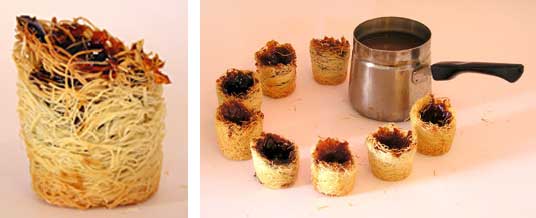
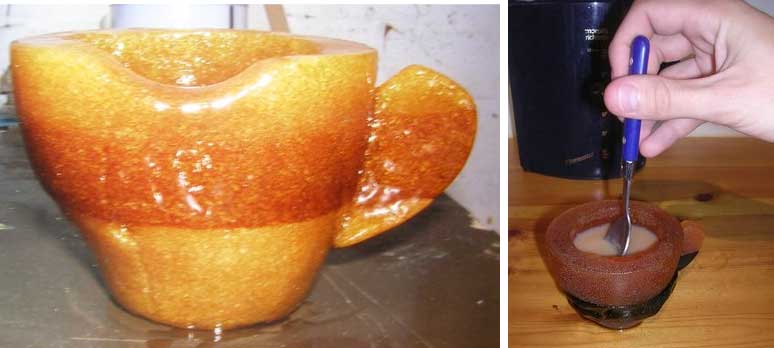
what’s better than composting dishes? eating them! amit zoran‘s coffee cups are made from baklava so you can eat them when you’re finished drinking the coffee. anna bullus‘ ‘one cup or two’ is made of sugar, so the coffee gets sweeter over time (some version have flavorings too). what if everything was edible?

ediblecups2.jpg
via

Posted in futurecraft, materials, product design, soft/glowing | Comments closed

mini-martians

minimartians.jpg

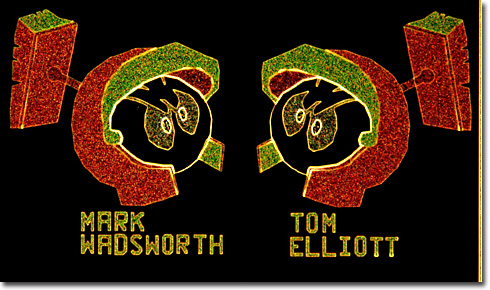
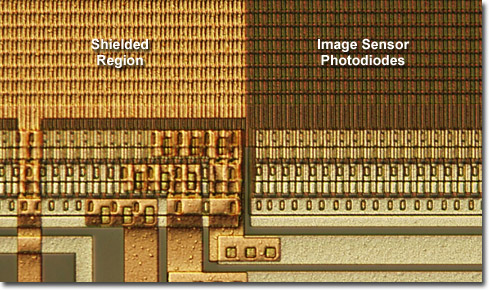
few human artifacts have traveled beyond the earth’s gravity, and even fewer were designed to carry a message to those beyond. compared to the elegance of the messages included with the pioneer and voyager spacecraft, our latest extraterrestrial broadcast seems a little immature. on the other hand, it’s very very small. mark wadsworth and tom elliott built on a rich tradition of chip art by etching the imaging chips sent on the spirit and opportunity rovers (below) with microscopic images of dueling ‘marvin the martian‘s. i only hope that our first cultural export to mars does not offend the locals…

minimartians2.jpg

via

Posted in 2d, fabrication, guerilla, possessed products, visualization | Comments closed

almost made in china

almostperfect.jpg

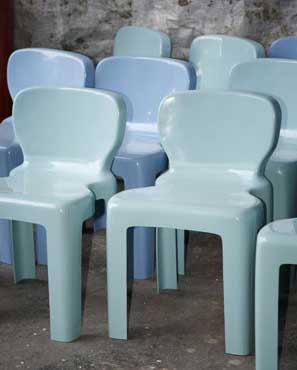
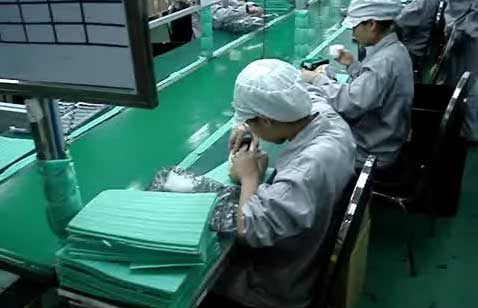
atelier van lieshout‘s ‘almost perfect’ is a chair that was drawn on a napkin and sent to china without further information. most of the detail was achieved by the chinese manufacturer, lending a sense of imperfection and the mystique of a knock-off to the finished product. on the opposite end is the incessant attention to chinese manufacturing detailed on bunnie’s blog by the maker of chumby. the small low-cost uber-device is just a touch screen in a soft shell with wifi, nevertheless, the maker has visited china relentlessly over the past months to iron out and document each step of manufacturing. the transparency and insistence of this approach has helped simplify the manufacturing process: readers and consumers can write in about problems they’re having and offer suggestions. you can see videos from almost every step of the chumby manufacturing process on the blog:

chumbyassemblyline.jpg

Posted in blogogracy, fabrication, futurecraft, open objects, product design, soft/glowing | Comments closed