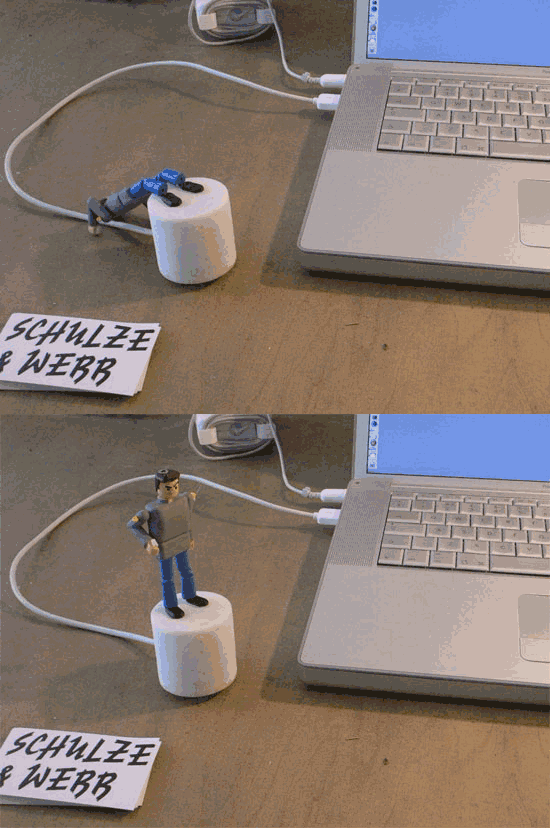
schulze and webb’s availabot is an ambient reminder of whether your friend is logged in to chat. it’s a good idea to take non-essential functions off your computer desktop, but it’s too bad you have to connect the doll via USB and keep it on your physical desktop. i’ve always imagined a set of dolls living on a bookshelf somewhere, chatting among themselves, keeping me aware of social activity but seldom involved.
voodoo chat
snug-fab


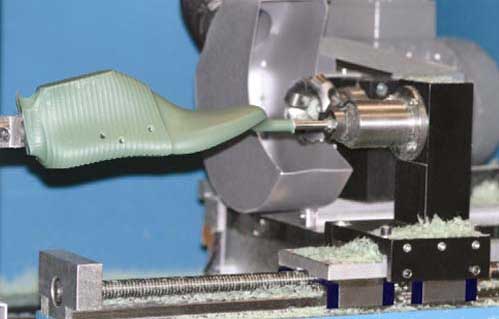
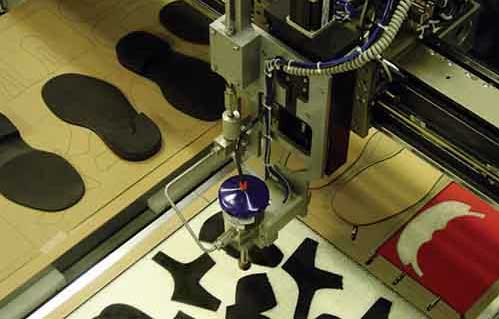
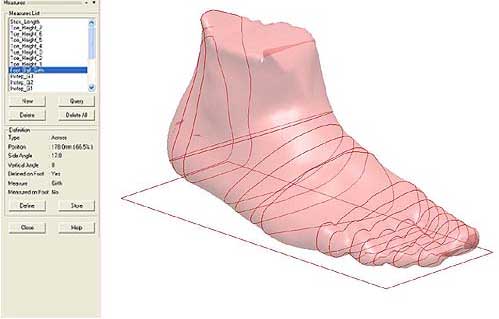
mass customization is only slowly gaining ground in industries such as automobiles, and usually only with cosmetic choices like the color of seats. a number of shoe manufacturers have interfaces for customers to select colors and styles, but use standard forms that compromise fit. unfortunately not all countries have craftspeople cabable of custom shoe-making, in fact the united states completely lost its shoe production capacity when industry decided to out-source all production fifteen years ago. today one US company – otabo – is attempting another solution: automating the shoe-making process for high-quality shoes through sophisticated software. from top, a laser scan of each of your feet is used to sculpt a custom last and generate designs which are cut by numerically-controlled cutters and stitched by robotic sewing machines. even the shank is custom-fabricated using fiberglass, which is stronger and lighter than steel. impressive, although it makes me wonder if cobblers couldn’t do the same with a much cheaper investment.
via sergio dulio
light prophet


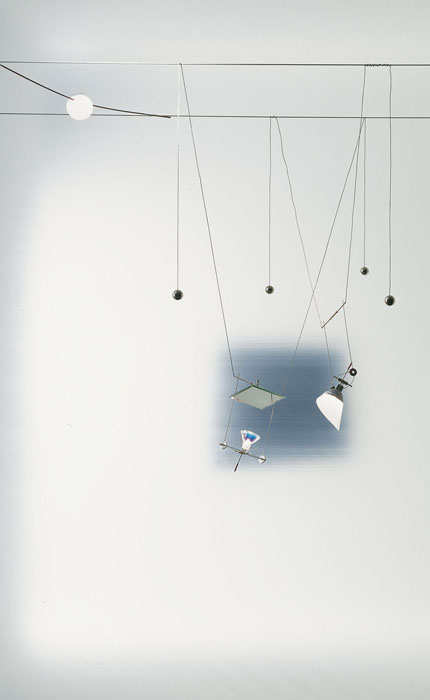
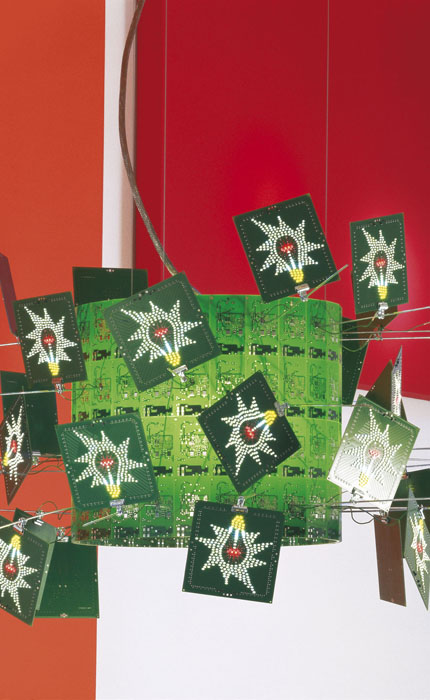
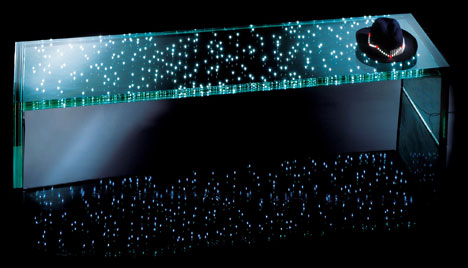
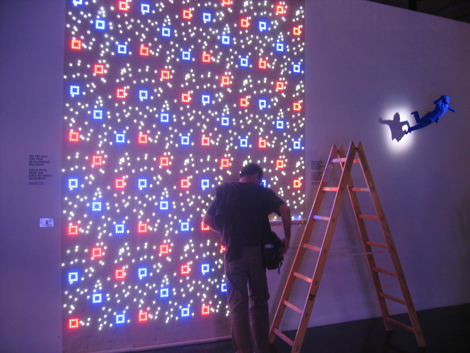
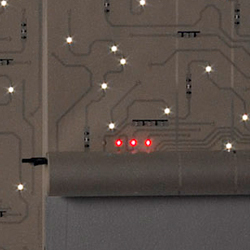
if art can predict culture, then design foreshadows technology – the ingo maurer retrospective at the cooper-hewitt is an astonishing exhibit. time and time again the genius better know for winged bulbs impresses with his use of technology for design. he was among the first to use low-voltage halogens hung from uninsulated cables suspended wall-to-wall (1984’s YaYaHo is pictured top), and a pioneer in the use of LEDs long before they became trendy flashlight bulbs (2001’s licht.enstein above). 2002’s LED benches featured white lights sandwiched in a tempered glass bench powered with transparent conductive sheet (below) while 2007’s LED wallpaper is a flexible adhesive printed circuit board with colored patterns that change gradually (bottom):


improvisation

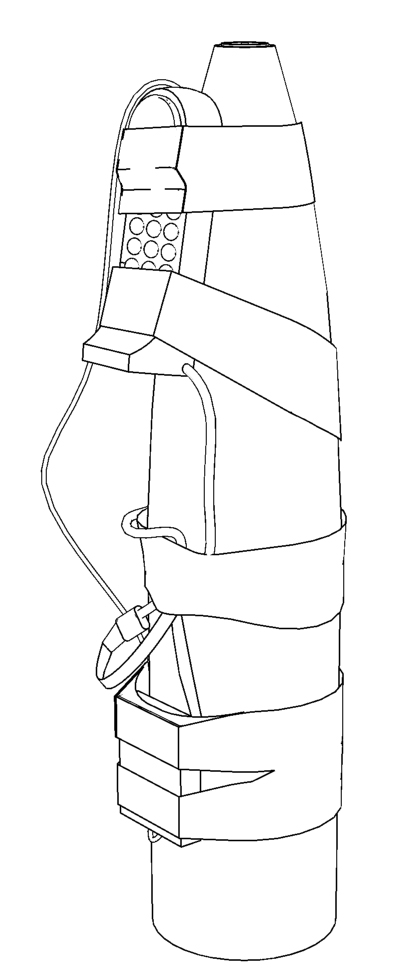
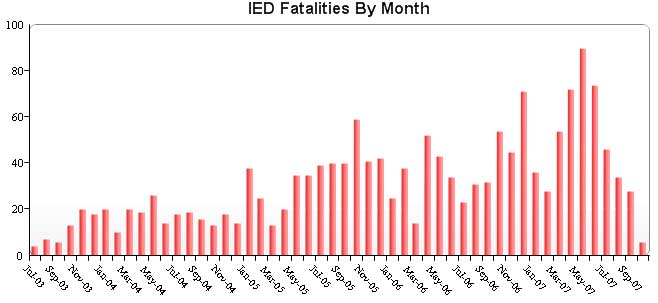
open-source design promises a lot of invention but has trouble motivating a lot of people to contribute design work. but one kind of distributed design is flourishing: improvised explosive devices, which are the most effective tool against the american military in iraq.
(
)
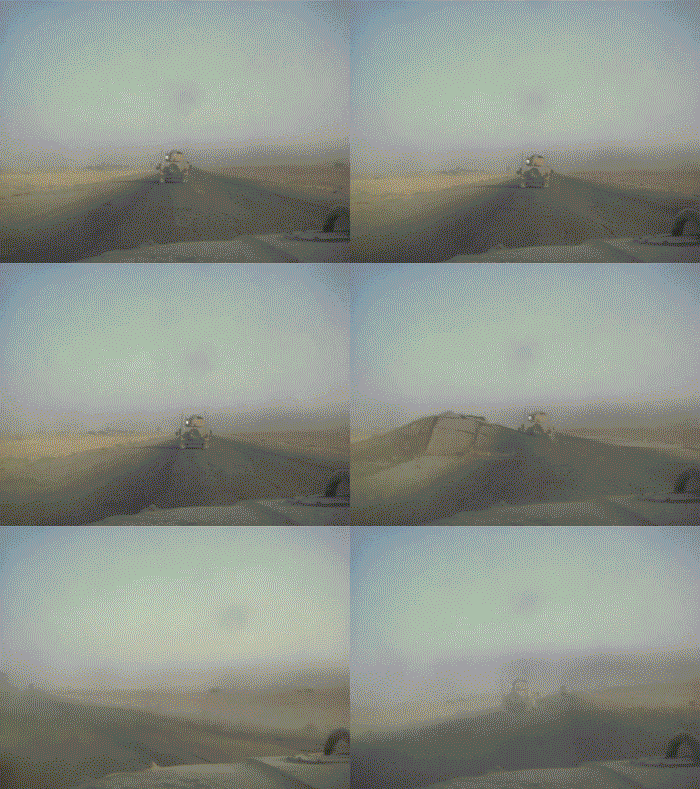
one video demonstrates the user experience:

patronizing design

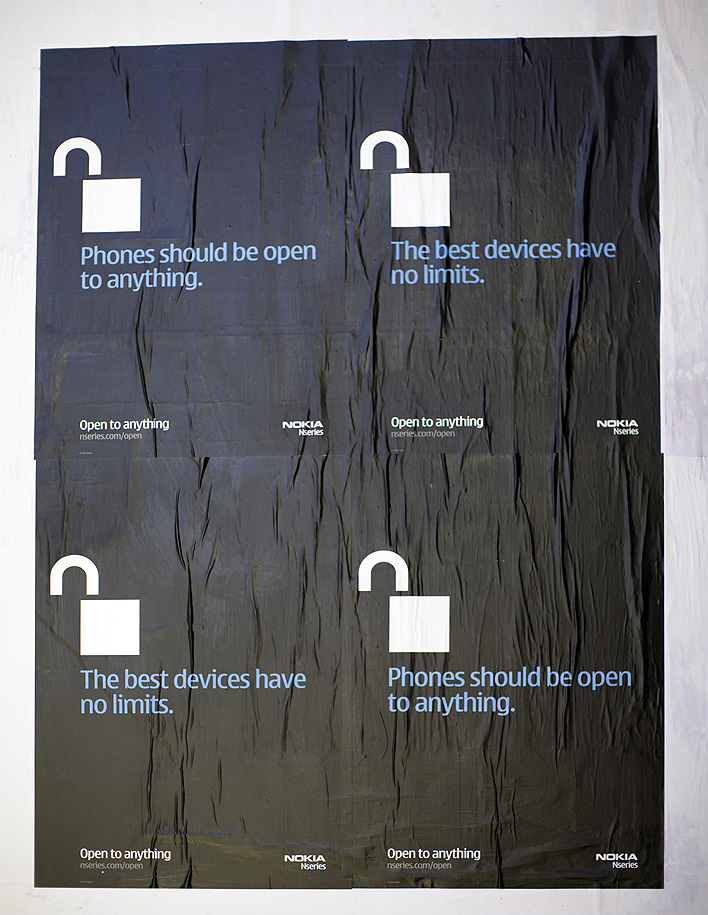
apple fans seem to enjoy design that limits choices, requires new skills and costs a lot. but my problem with apple isn’t just because they are unabashedly unfriendly to the environment. the most significant things you can do to reduce environmental impact are to allow for easy upgrades, repair and to encourage long product life and re-use. the latest products by apple not only have non-removable batteries, but their software and carrier are locked to discourage any creative re-adaptation by consumers down the road. fortunately nokia has picked up on this trend in a pseudo-democratizing public relations campaign, but it’s still unclear whether people want choices when they choose design.
paperCAD

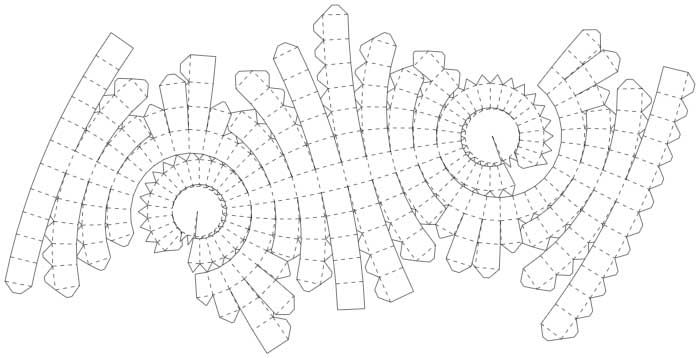
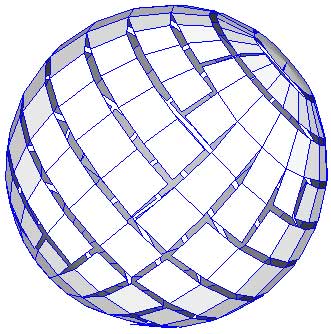
papercraft is the most versatile personal fabrication system: all you need is a printer, scissors and glue. now there’s a CAD for papercraft called pepakura that unfolds any three-dimensional model, adds the tabs and prepares the pattern to be printed on an A4 sheet of paper. Using tyvek or felt you can even make durable, waterproof models – or even real things like lamps, wallets and all sorts protective covers for your delicate electronics.

digital dwelling
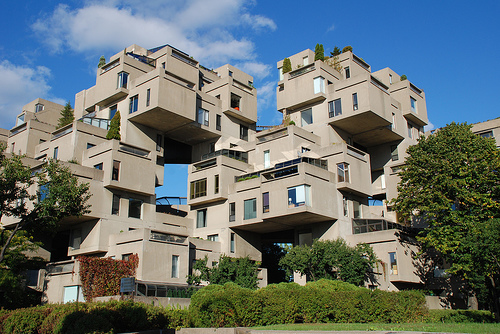
i visited moishe safdie’s habitat yesterday, a 40-year-old futurist masterpiece that was a lot more exciting to walk through than a lot of crazy buildings. this dated vision of the future is still inhabited, in fact renovated, and it makes the point that you can design for customization in architecture: you’ll hardly notice all of the individual touches on the units of this building because it was designed to permit eclecticism, and the unique touches only add to the overall effect.
light-bombs
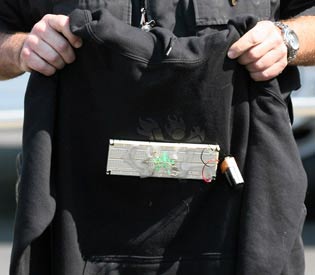
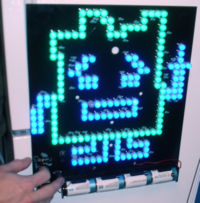
no matter what anyone may think LEDs do not make something a bomb and bombs usually don’t have little lights on them anyways