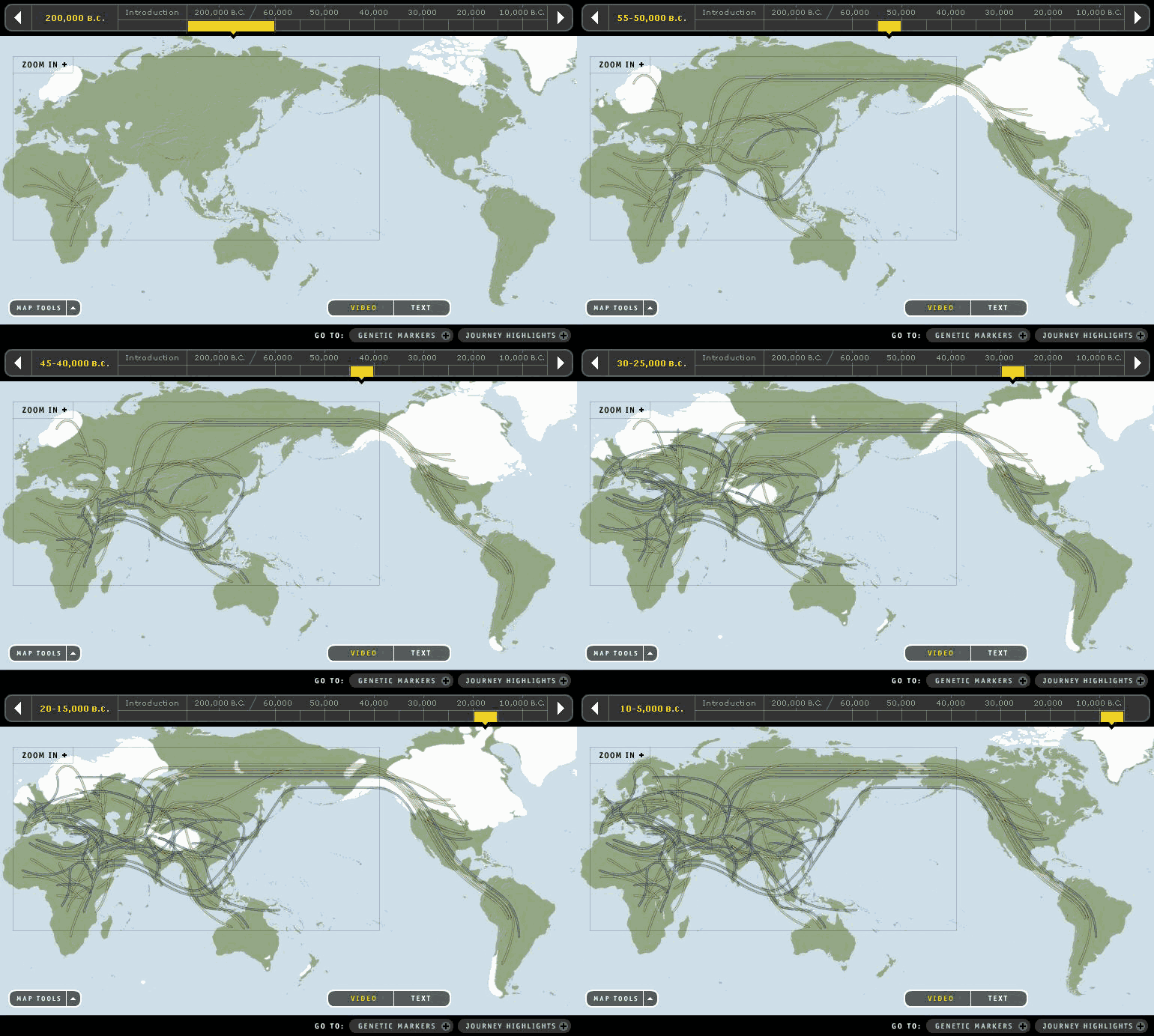
national geographic has created a somewhat interactive map tracing mitochondrial and y-chromosome lineages across human history and the globe. mapping time and space is difficult enough; additionally each genetic marker is traced, dated and explained in this elegant mashup. when this many things are contained in a relatively small and intuitive document, it seems like you have to make it interactive – not only because everything won’t fit on a static display, but also because each visitor will probably seek out what heshe thinks is hisher own lineage. although, given this, maybe each visitor could just get their own timeline, much in the way that google gives each one of us our own search results.
via information aesthetics
tracing roots
virtual tailor
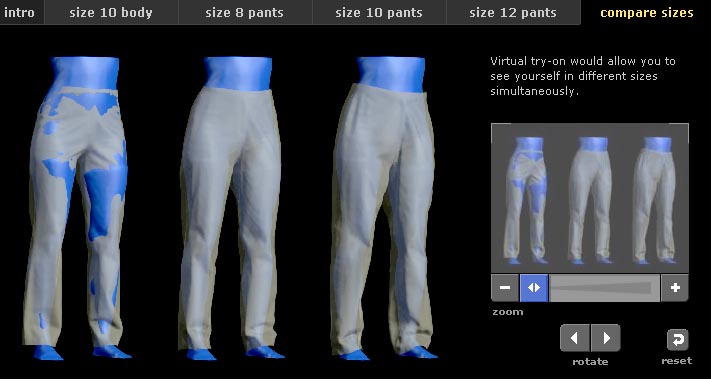
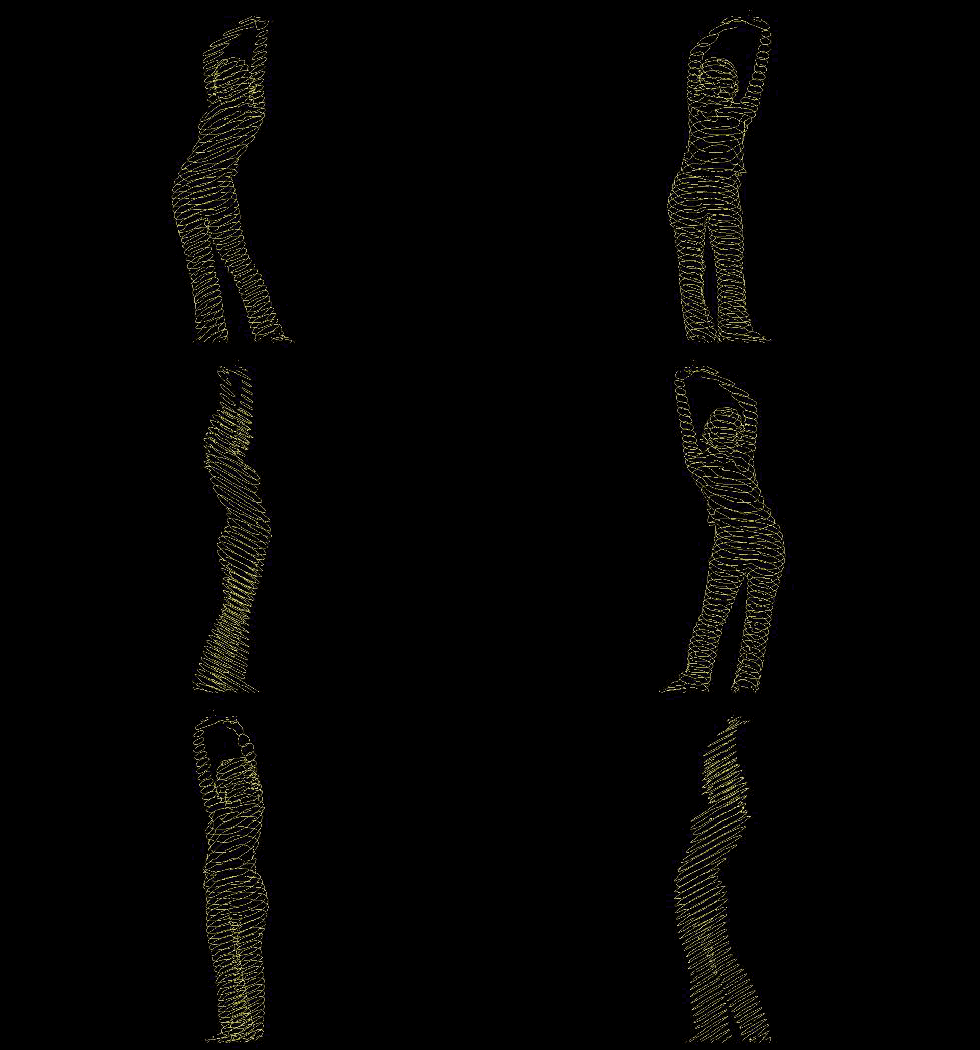
the college of human ecology at cornell has a 3D scanner that they have turned on the human body, not for medical research, but to help design clothing that is automatically custom-made on-demand. they show how, in fact, it’s hard to know how mail-order clothing will fit you. if you have a (recent) three-dimensional model of your body on hand, though, you can tell if pants will fit:

but this reminds me of the radio transmitters that were ‘invented’ to make toll-paying easier – just slapping technology on a problem to patch it up. why not just eliminate tolls (or scan license plate numbers)? or, in the case of the body scanner, why not just buy clothing in a store or from a local tailor?
marketing making
only very few companies give an insight into their design and manufacturing processes. maybe this is for secrecy or from ignorance or shame – in any case when someone goes to the trouble to showcase how they make things, it’s pretty neat. hopefully the ease with which we can video- and photo-document nowadays will make it more popular to divulge trade secrets as a form of marketing. this is a slideshow of the process of prototyping designing and implementing manufacturing of a pinball machine, by the way, via make. i especially like how the designer, pat lawlor, signs the underside of the machine just before it ships.
mini-house
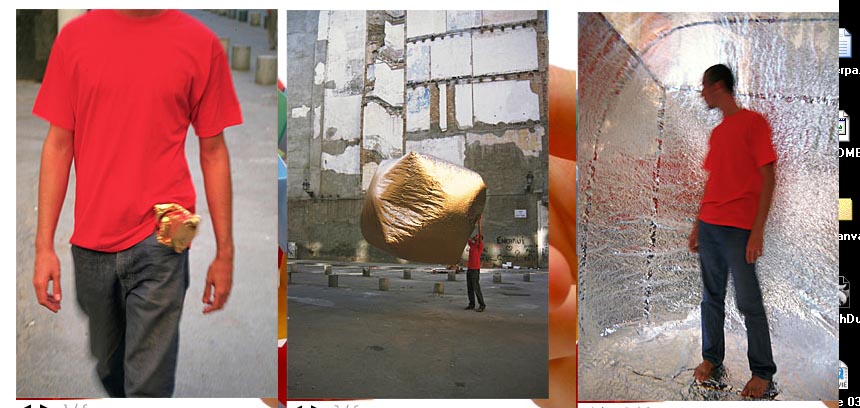
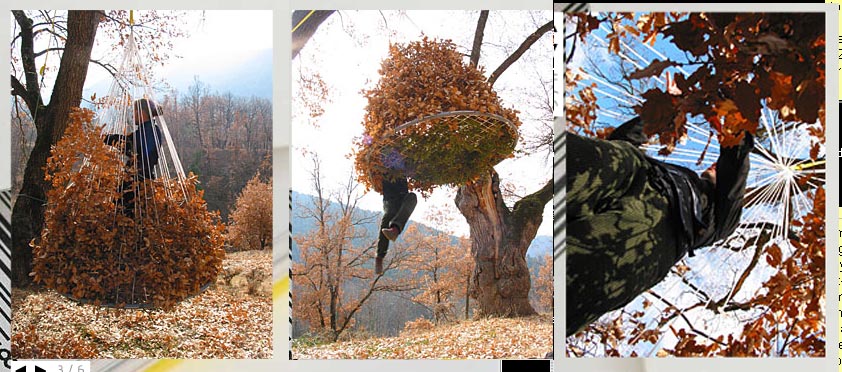
martin ruiz de azua makes essential designs such as this minimalist house (above) and nest house (below). maybe with all of the layers of social isolation made possible by earphones and wearable displays, the substance of our physical isolation can be diminished to thin sheets of mylar or leaves in a net?
DIY Death
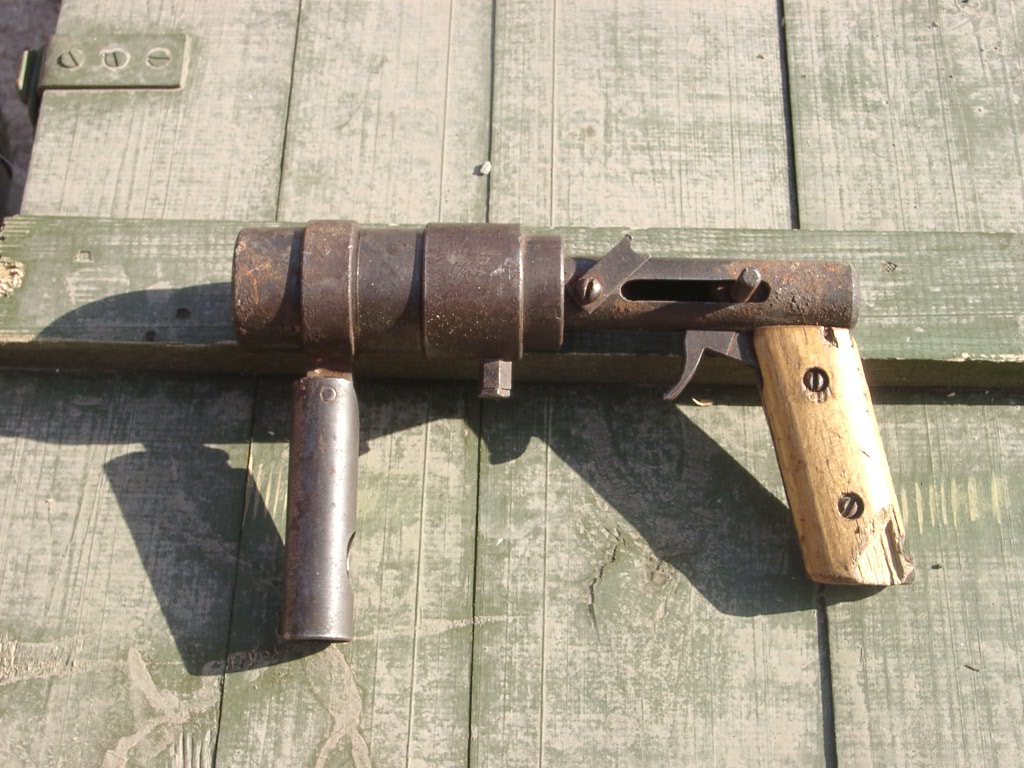
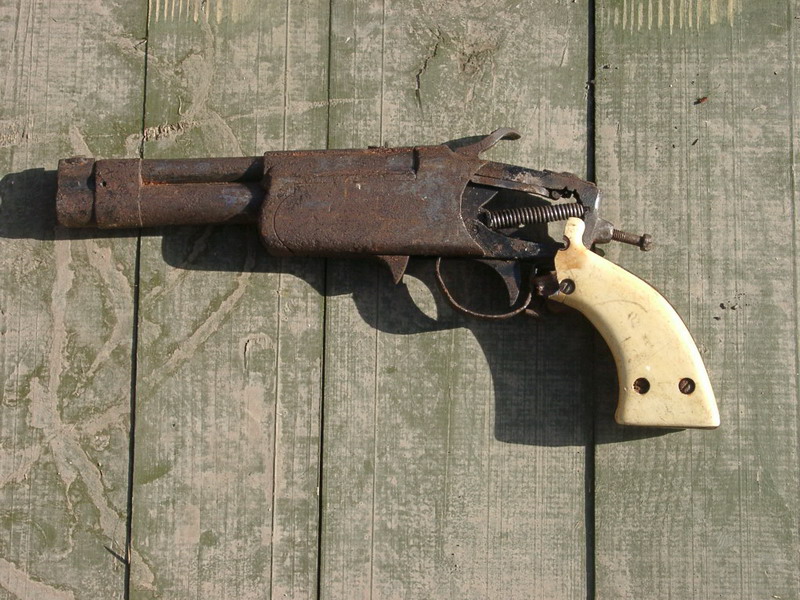
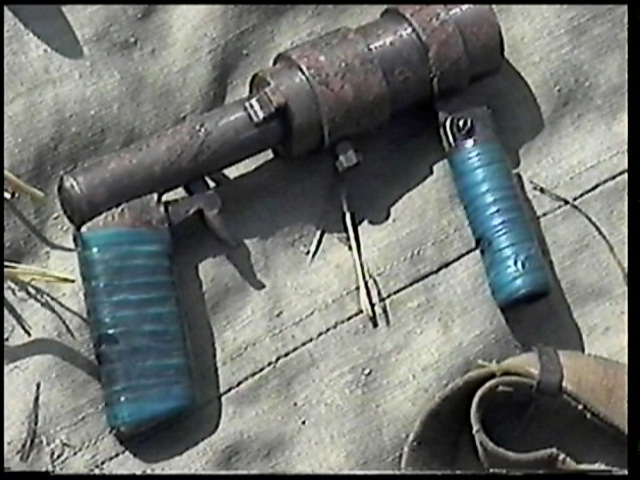
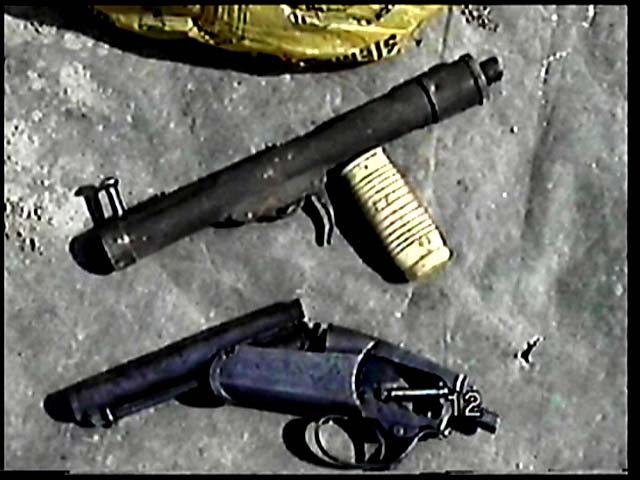
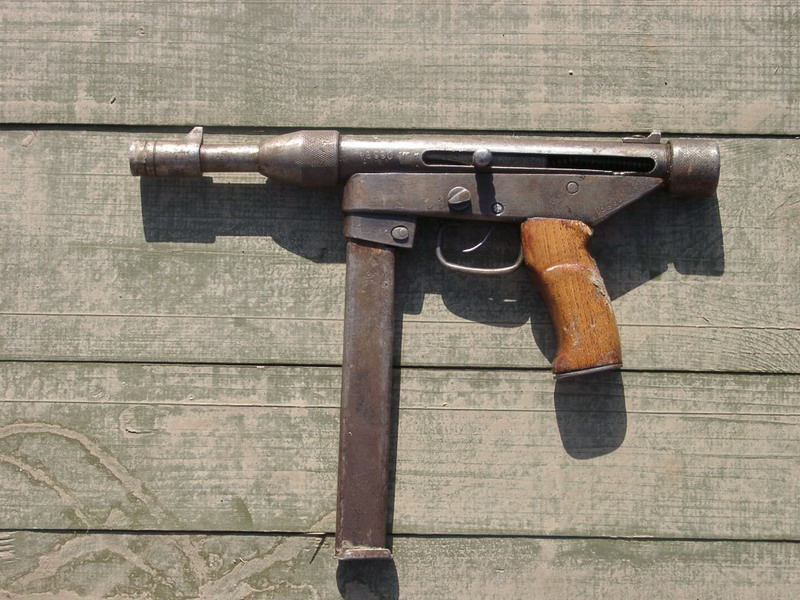
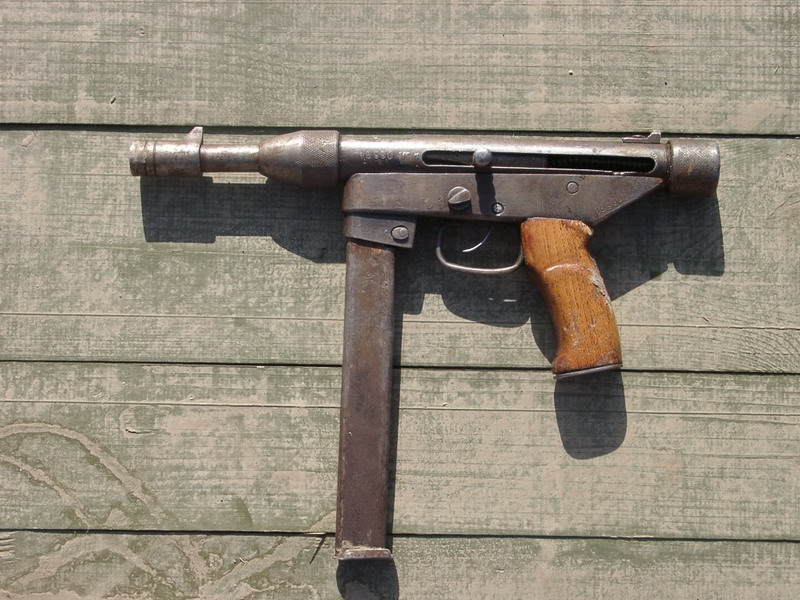
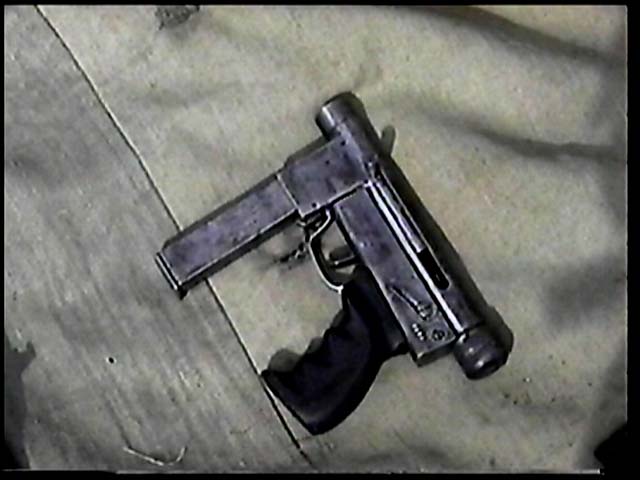
there are some kinds of technology that are so ubiquitous that they can be found in any human civilization, like fire and weapons. just as the combination of widely available cell phones and discarded explosives in iraq feed the constant carnage of improvised explosive devices (IEDs), firearms are made just about anywhere on this earth, often milled by hand. these examples from chechnya are elegant, in the way that most open-source designs communicate how they work (and how to make them) at the same time as they serve almost as usefully as their namesakes.
via english russia
bookmaker
the espresso book machine can print a bind an entire 300-page book in 3 minutes for $3! if only it were like the dishmaker, it would recycle your old books into new ones on the spot.
seeing size

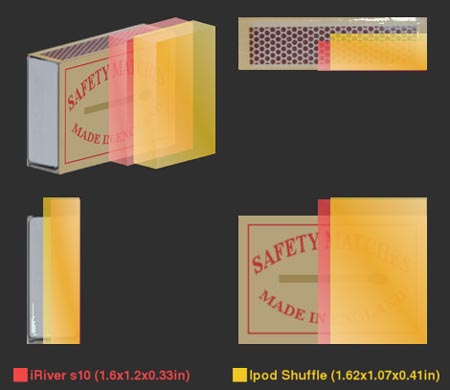
screen-based interfaces are very poor at conveying size, weight, and spatial arrangements. one effort is to make interfaces that are tangible – using real-world objects and spaces. another is to endlessly refine the screen-based stuff so that it gives a better illusion of what it represents. sizeasy is part of a growing number of web services that compare products, in this case by visualizing the relative sizes of popular gadgets. there’s something powerful about helping make physical characteristics perceived in abstract interfaces, especially when so much marketing and design aims to trick the senses. maybe the truth has a place in design after all?